Holly Jones, Coordinator of the Farmer Scientist Network reports back from the network’s recent farm tour of The Allerton Project.
Delivered by the Farmer Scientist Network, this visit to The Allerton Project brought farmers, researchers and industry partners together to explore practical solutions for resilient, sustainable farming.
The GWCT Allerton Project is one of the UK’s leading demonstration farms. Based on a 320‑hectare commercial mixed farm in Leicestershire, it showcases how productive agriculture can work hand‑in‑hand with environmental improvement.
The farm has been at the cutting edge of farming and land management research for more than 30 years, with findings that now underpin many modern agri‑environment and stewardship schemes.
The Allerton Project is widely recognised as a blueprint for future rural landscapes, with its research influencing policy, stewardship design and practical farming decisions across the UK.
The visit was supported through grant funding from Anglo American UK, helping enable knowledge exchange and farmer engagement.
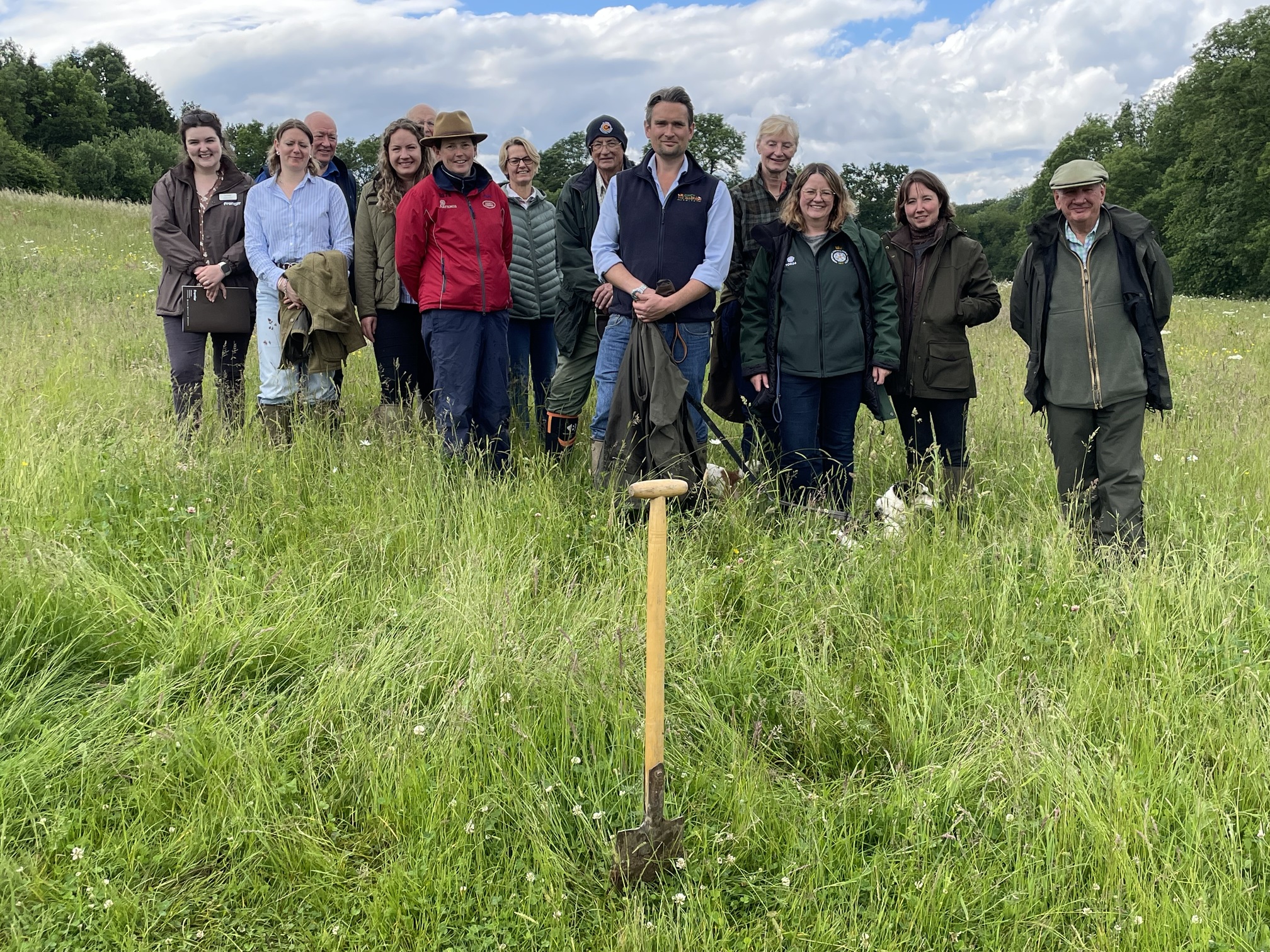
Here are some key takeaways we took from the farm tour and conversations
Water quality provides a strong example of why a systems approach is essential. Monitoring within a local catchment shows that while water entering farmland is often clean, nutrient loading, particularly phosphates, increases through villages due to ageing infrastructure and poorly maintained septic systems.
By contrast, farmland can play a role in improving water quality before it leaves the catchment, reinforcing the need to look beyond agriculture alone when addressing environmental challenges.
Across soil management, findings continue to emphasise simplicity and practicality. Trials comparing cover crops, herbal leys, and grass-clover mixes show that maintaining green cover is often more important than complex species mixes.
In many cases, straightforward approaches deliver comparable benefits in soil structure, weed control, and resilience.
However, environmental delivery must also work economically. Challenges remain around the viability of break crops such as beans, limited domestic protein markets, and the gap between sustainability ambitions and market demand.
Without viable supply chains and fair returns, uptake will remain constrained.
A Systems Challenge, Not Just a Farming Challenge: one of the biggest barriers to progress is fragmentation.
Policy areas such as agriculture, environment, housing, and health are often developed in isolation, missing opportunities to tell a joined-up story.
Long-term, evidence-based strategies are needed-ones that outlast political cycles, provide clarity for investment and planning and recognise farming’s strategic importance.
The Bottom Line: Farmers are already adapting, balancing productivity, resilience, and environmental delivery.
The evidence from on-farm research reinforces that: practical, evidence-based solutions deliver results, simplicity often outperforms complexity, and sustainable farming must also be economically viable.
The challenge now is to ensure the wider system, policy, infrastructure, and markets, keeps pace.
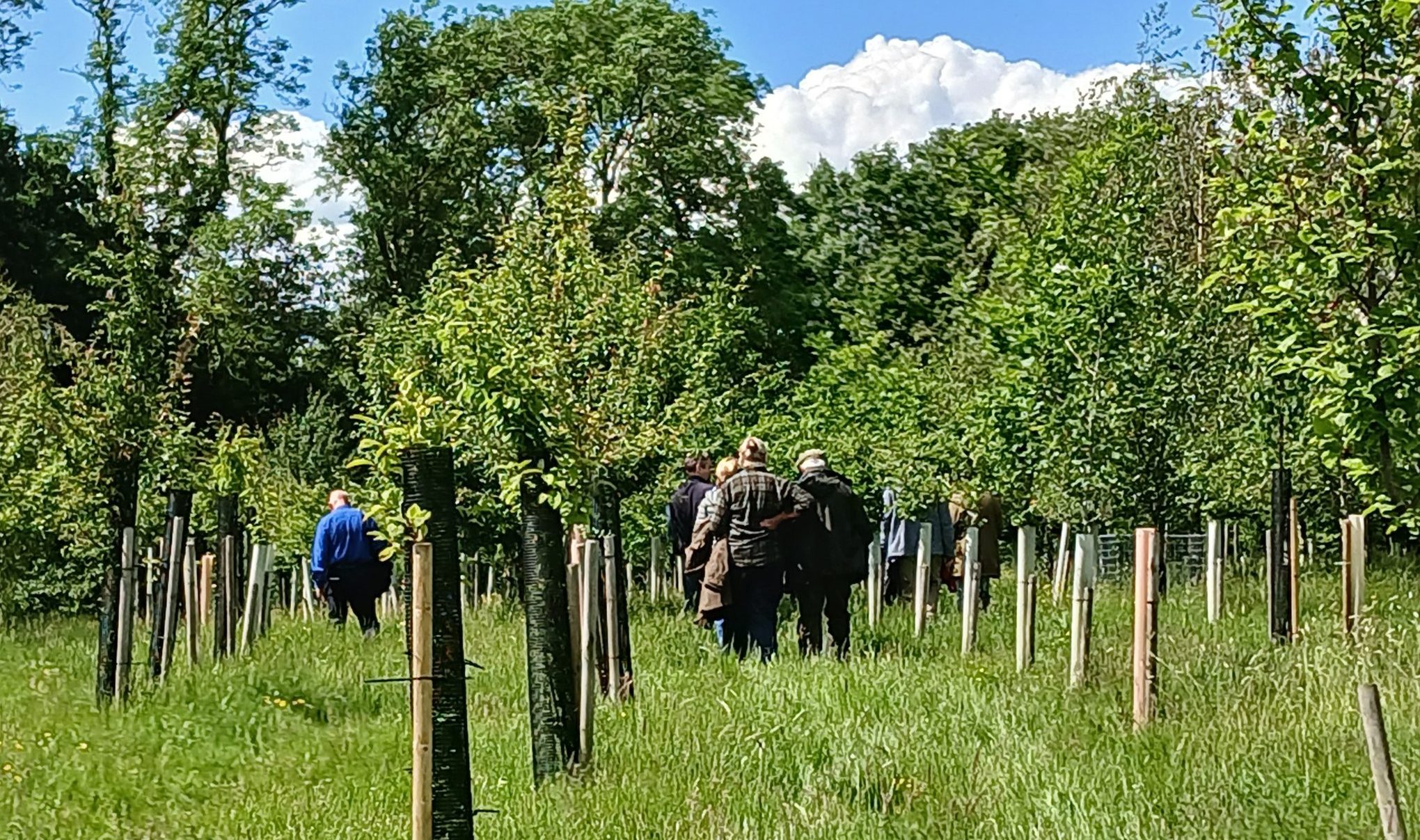
The visit to The Allerton Project was kindly funded by: