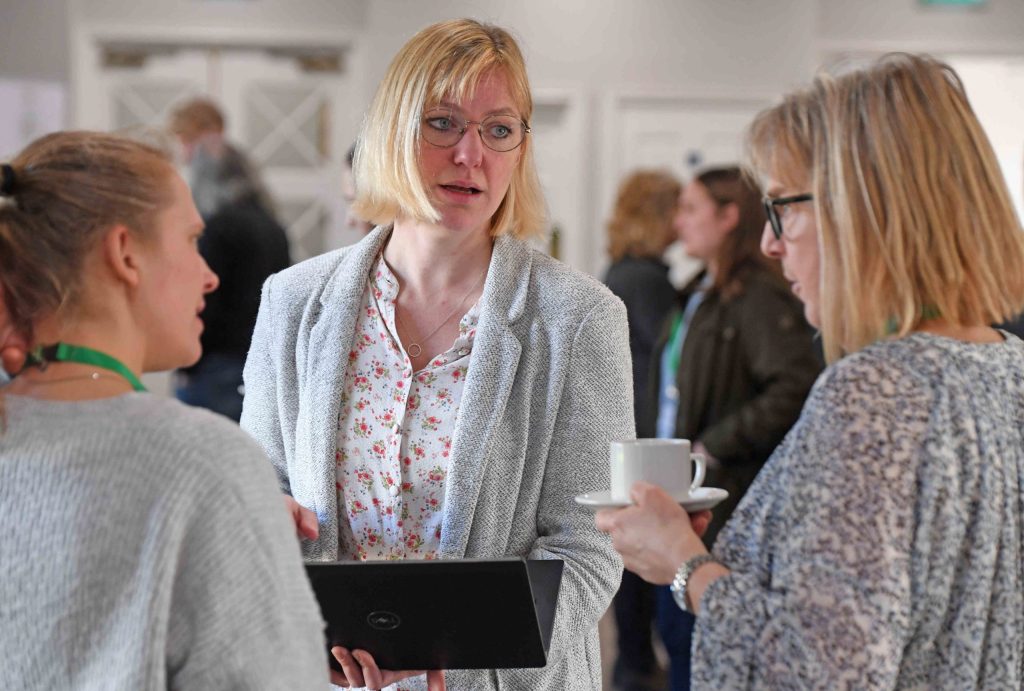
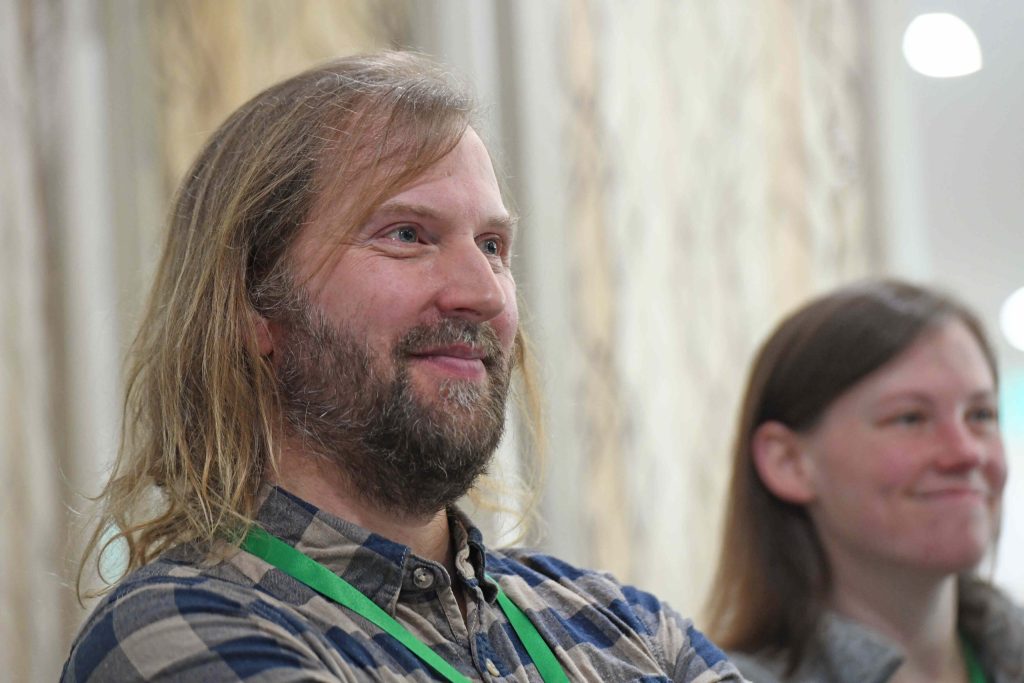
Farm practices that put soil health first were at the forefront of discussions between farmers and industry stakeholders at our Farmer Scientist Network’s latest Regenerative Agriculture Open Event.
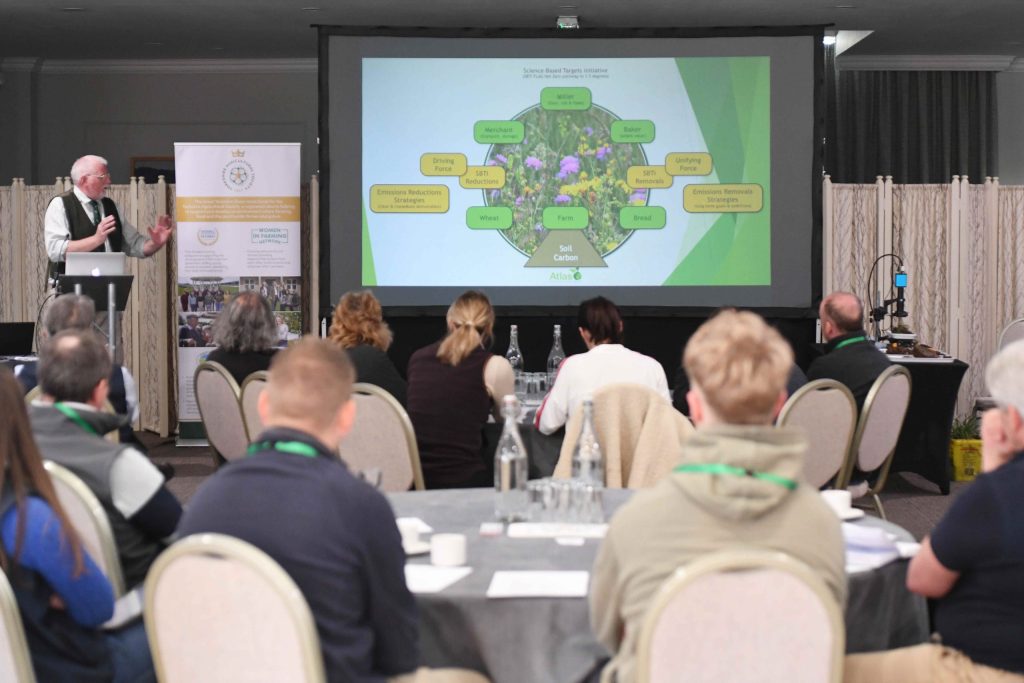
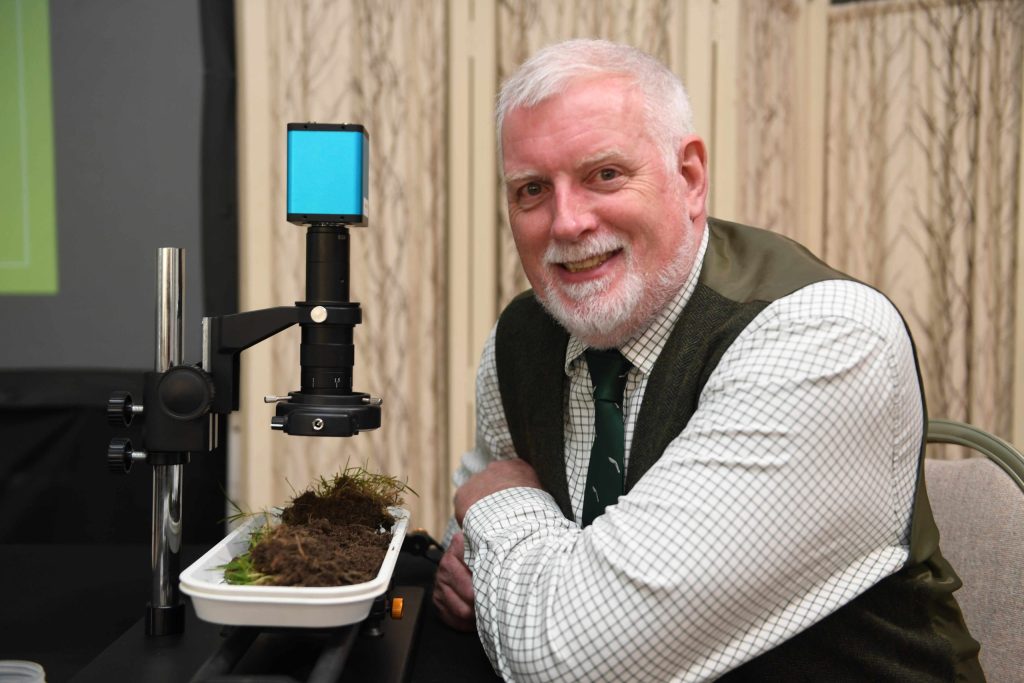
Held at The Pavilions at The Great Yorkshire Events Centre on Thursday 6th March, the topic was delved into by soil scientist Neil Fuller as well as farmers who have seen great results since adopting regenerative agriculture practices on their farms.

‘Rapid innovation’
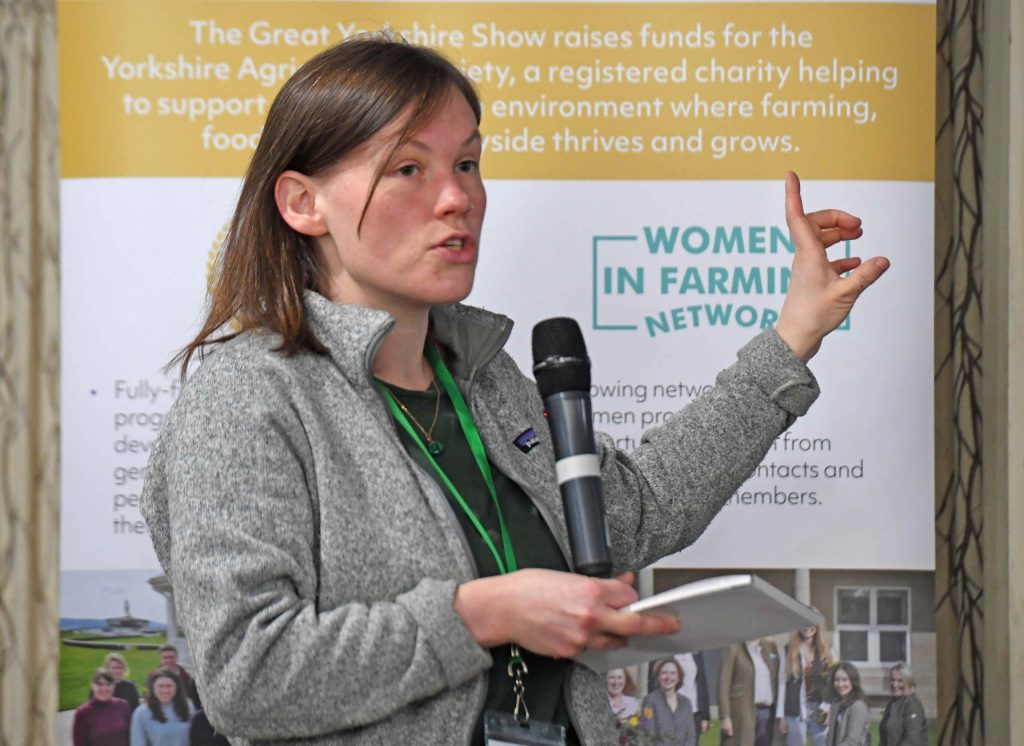
Opening the event, Dr Dave George, Chair of the Farmer Scientist Network at the Yorkshire Agricultural Society said that a lot of innovation has been happening very quickly in the last five years or so, as the industry increasingly recognises the importance of prioritising soil health.
He said that this innovation is necessary as the industry was “going through a bit of a transition at the moment when we need to get more out of our farms”.
Dr George said a focus on biodiversity net gain as part of the greater emphasis being placed on natural capital was shaping the future and “can really change the way we do things on farm in the future”.
‘Regen mission puts farms in stronger position’
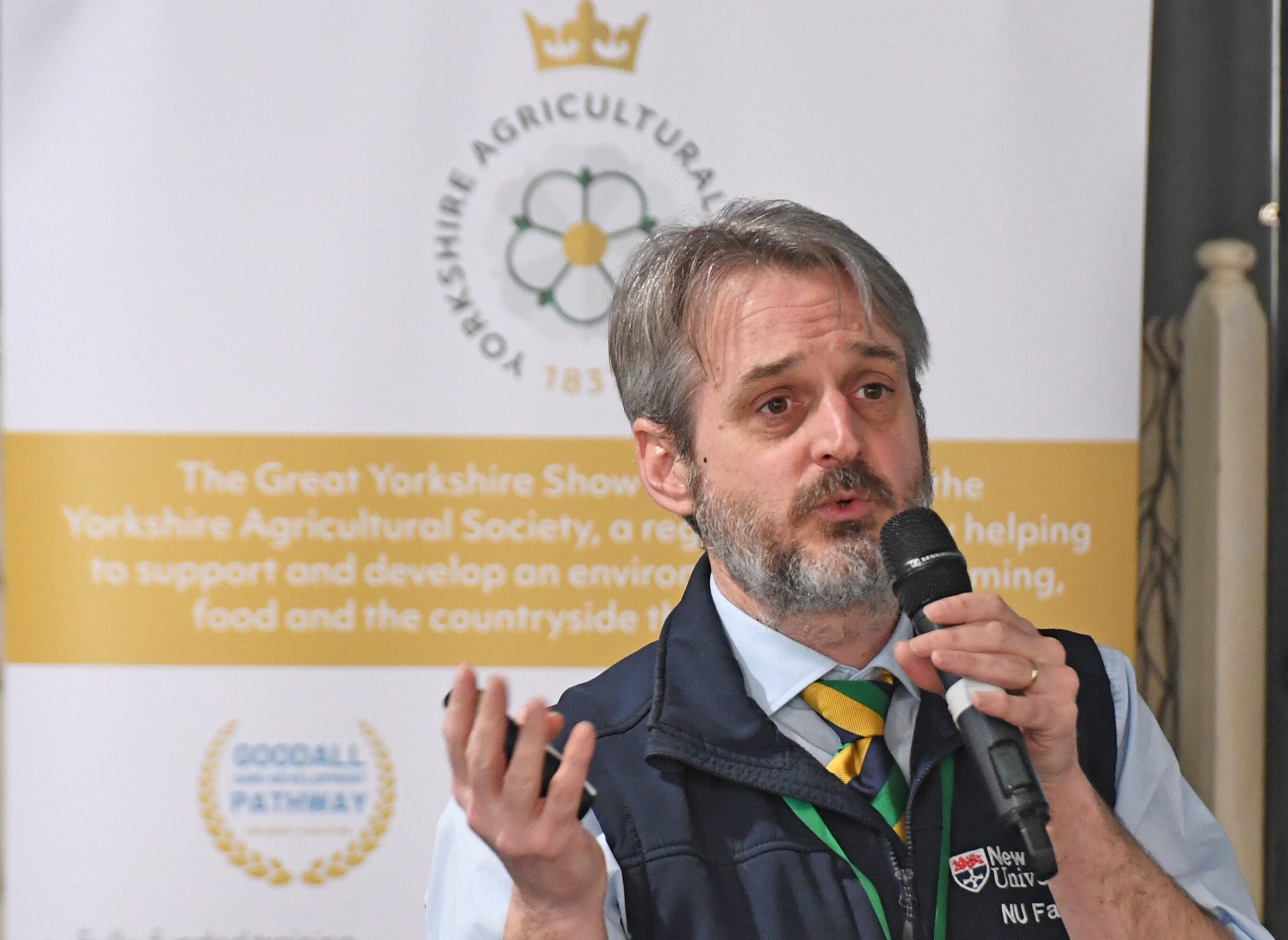
Neil Fuller told of the climate and population growth challenges to food security and of how embracing regen ag principles that lock carbon in the ground, farm businesses can derive more value from the supply chain by delivering even more environmentally in tandem with food production.
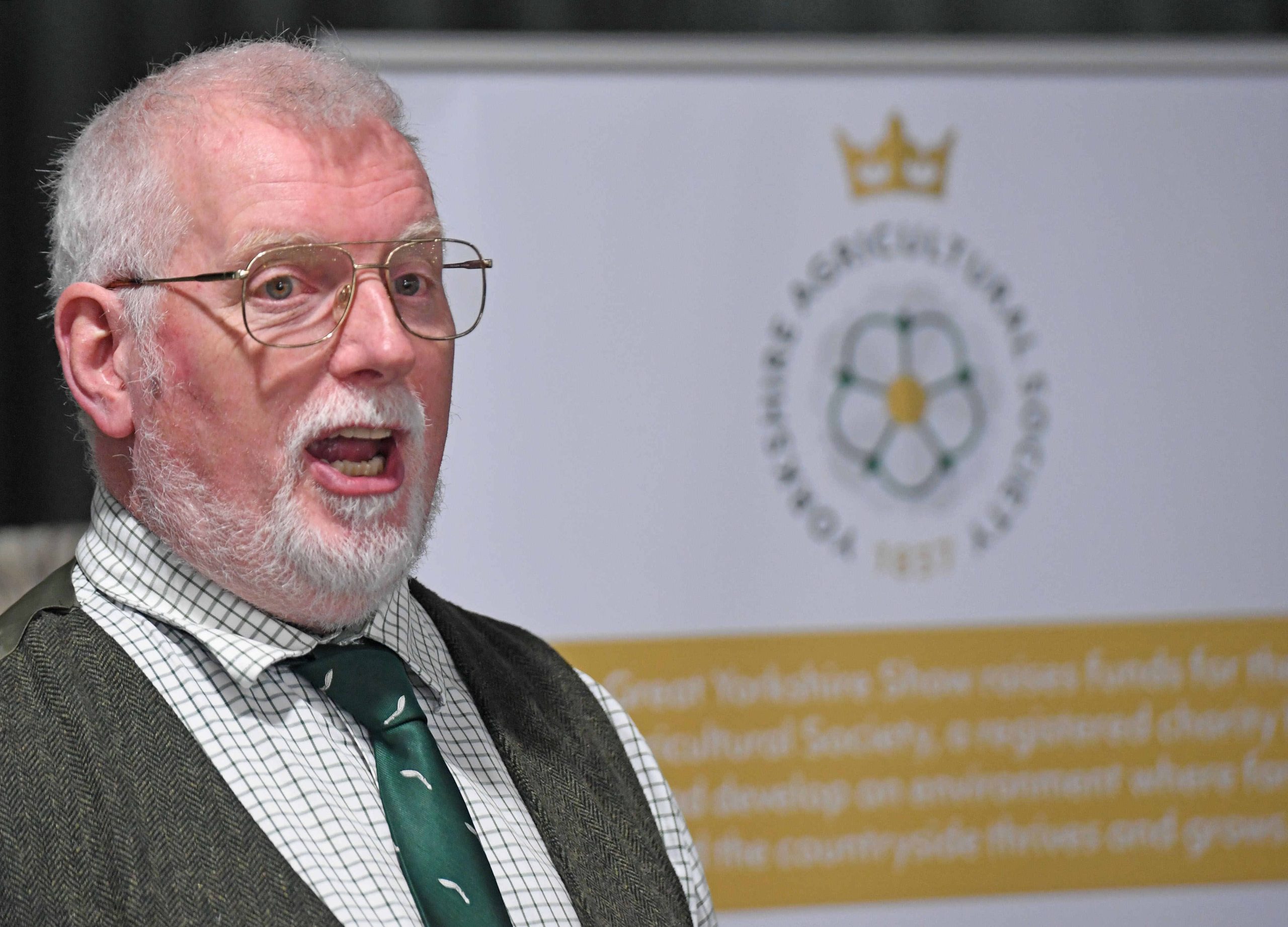
Neil said:
Agriculture is no longer at the lonely, sharp, unpleasant end of procurement discussions because everybody now sees that the market is on this pathway to keeping the temperature of the planet down.
Everybody is on this reductions pathway and it’s a driving force. Removals (of emissions from the atmosphere) using cover crops for example… drawing it out of the atmosphere and locking it safely in the ground, that’s a unique force.
If you can demonstrate a reduction in emissions, if you can demonstrate the cheap, ‘fuzzy’ side of things (flowering cover crops that provide habitats for nature), if you can have an interest in water quality, landscape quality, human health and wellbeing, there are premiums out there now to chase. And this is just the beginning.
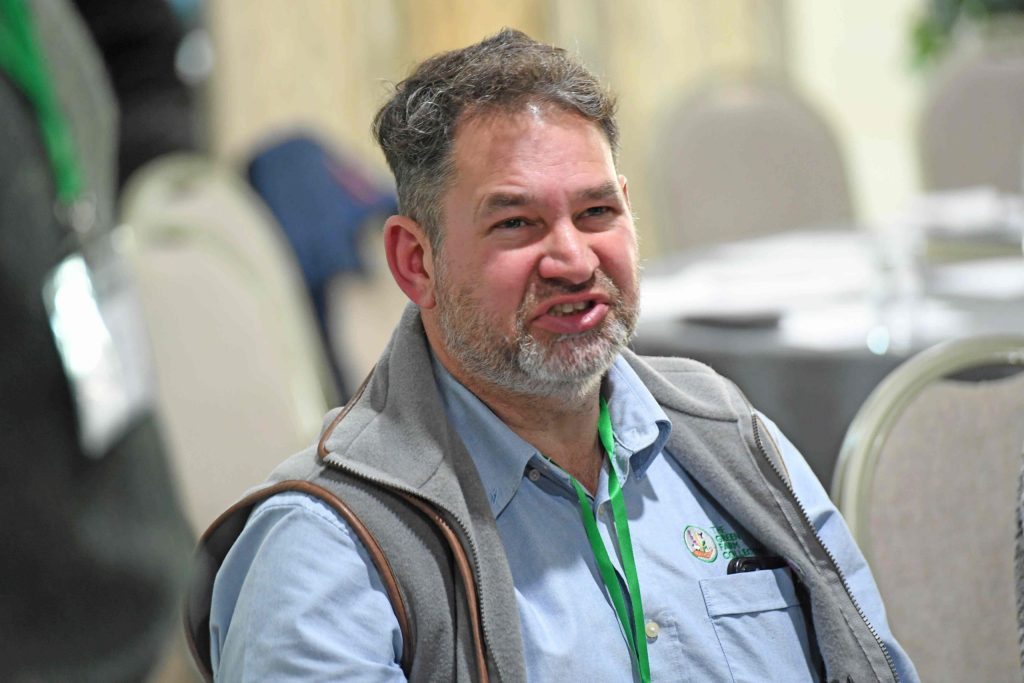

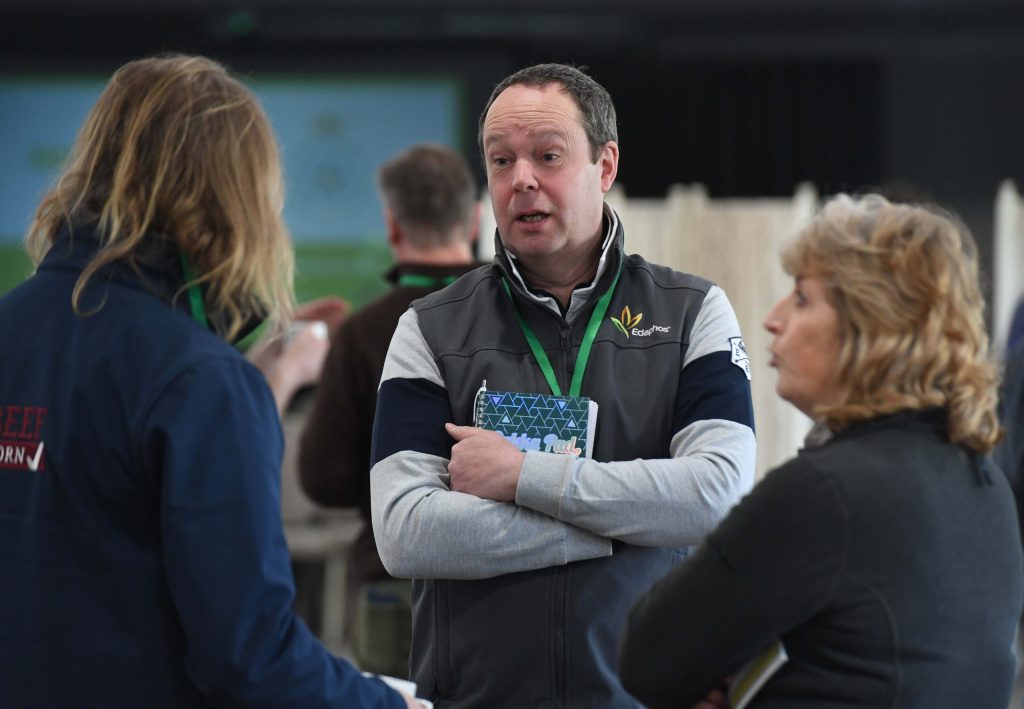
Farmers’ perspectives were also shared from early regen ag adopters, Vale of York farmer Angus Gowthorpe, founder of The Green Farm Collective, and Green Hammerton’s Mike Powley.
Angus and Mike can demonstrate how, more than a decade on, the introduction of cover crops and rotational grazing is saving their businesses money; eradicating spend on chemical inputs, whilst producing robust crop yields that are also helping to sustain their livestock’s nutritional requirements.
Fraser Hugill, who farms near Helmsley and is an environmental consultant, explained a Grassland Sustainability Project which had highlighted that the cocksfoot species is a useful grass to consider as an alternative to ryegrass.
The Farmer Scientist Network is grateful to all its partners who collaborated for this event: Newcastle University, The University of Sheffield, University of Leeds, Innovative Farmers and Catchment Sensitive Farming.
Further reading
- Smarter farming being driven by the adoption of precision agriculture – Agri-Tech Expo North report
- Upcoming ADOPT funding to incentivise farmer led trials to drive innovative industry solutions – latest details
- The Good Soil Guide, an online reference and knowledge-sharing platform for farmers, sponsored by Yorkshire Water – click here
- Cover Crops Guide, the UK’s first independent, farmer-led and scientifically supported farmers’ guide on cover crops – click here

Supported by the Yorkshire Agricultural Society, the aim of the Farmer Scientist Network is to work with the crop and livestock sectors to find new ways in which science and technology can find solutions and underpin innovation in agriculture.