At the 165th Great Yorkshire Show, the Future Farmers of Yorkshire Breakfast Meeting brought Future Farmers together to explore ‘Changing the Farming Narrative: Delivering More Than Just Food’. Read on for a full report.
UK farmers are in a unique position to deliver a broad range of eco-system benefits while still producing high quality, nutritious food for the public.
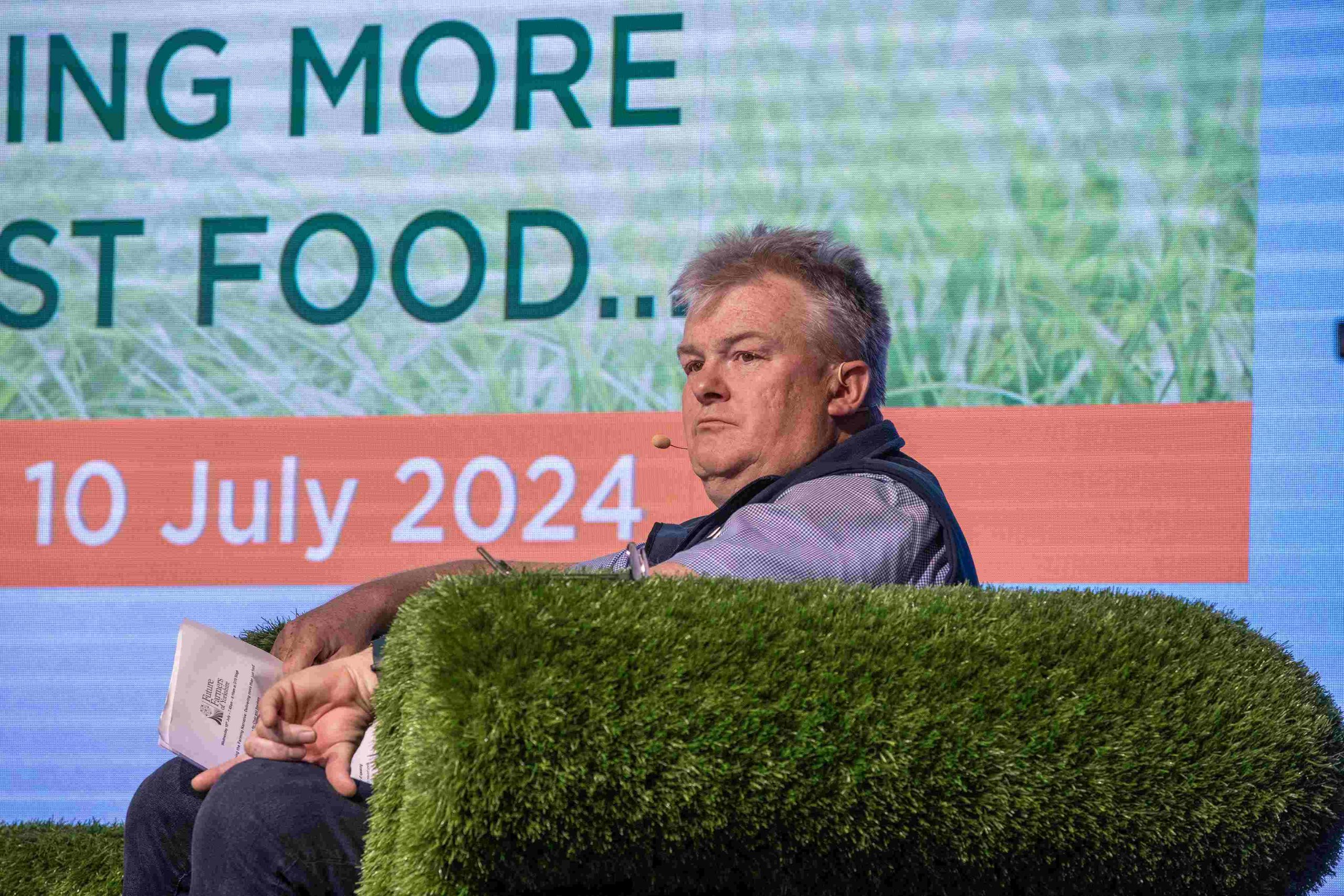
That was the message from a panel of experts speaking at the annual Future Farmers of Yorkshire Breakfast Meeting, which took place at the Great Yorkshire Show on Wednesday 10th July.
The event, kindly sponsored by Armstrong Watson Accountants, Business and Financial Advisers, AHDB and the Yorkshire Agricultural Society, saw panellists Joe Stanley, Molly Biddell, Jodie Bolland, and Professor John Gilliland OBE take to the Vertu Motors GYS Stage to debate whether farmers were in a position to change the narrative and deliver more than food, in a way that pays and meets the needs for society.
Each panellist agreed that not only was this possible, but that farmers were in a unique position to be able to deliver the environmental solutions society demands, while still producing the nutrition we need.
Joe Stanley, Head of Training and Partnerships at the Game and Wildlife Conservation Trust’s Allerton Project, explained that for the past 32 years, the aim of the project has been to demonstrate you can have had profitable, modern, productive agricultural alongside a thriving natural environment.
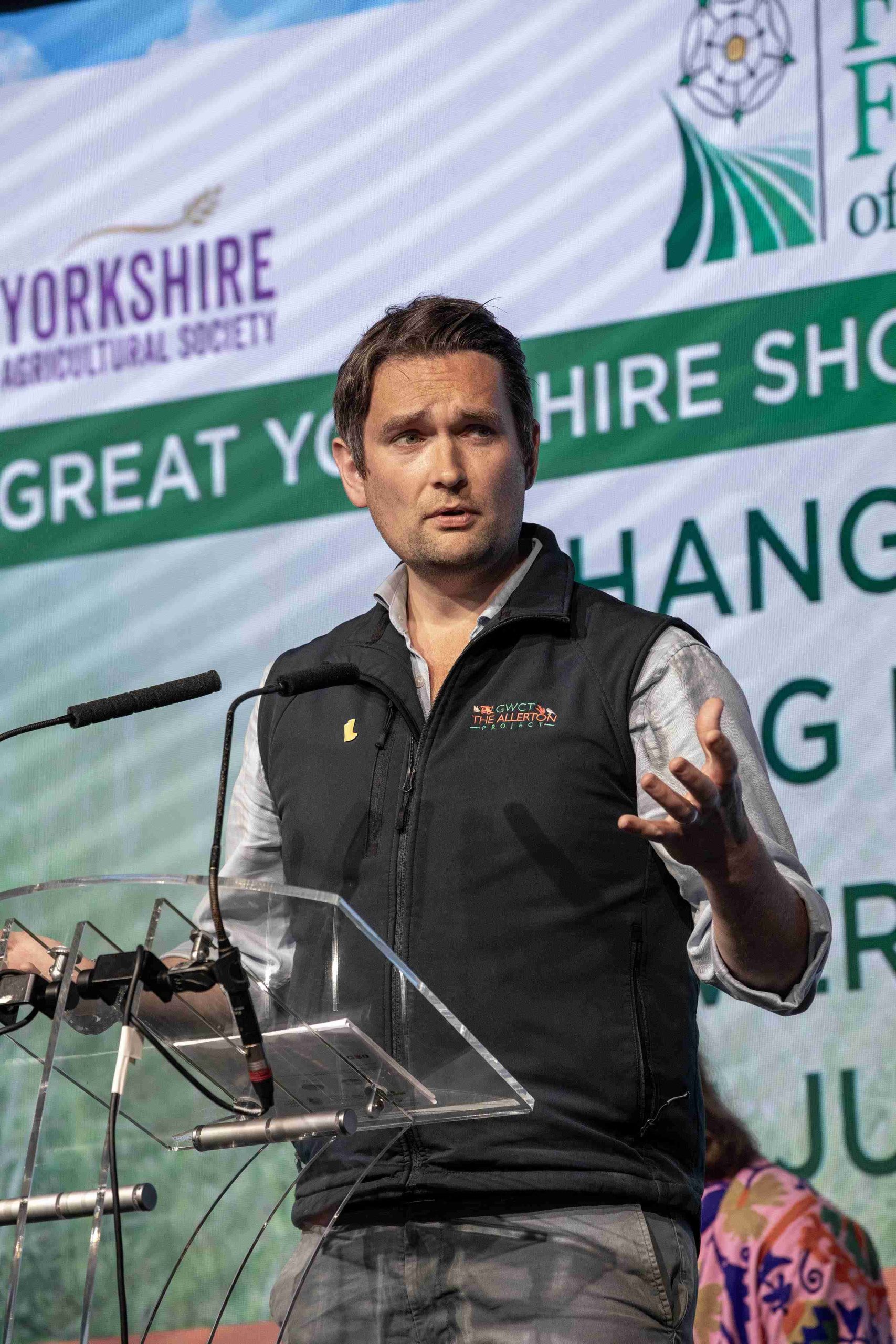
Joe said:
We’ve spent the last three decades as a working, commercial farm – arable and livestock – but we also have a full-time team of research scientists collecting the data to help us try and prove that point.
On the one hand we’re producing food, food security for the nation.
On the other hand, we’re providing those more potentially intangible natural capital benefits that we’re increasingly being asked as an industry to provide.
Molly Biddell, Head of Natural Capital at Knepp Estate, said that whereas farmers could ‘100 per cent deliver more than just food’, they were facing huge challenges in the shape of rising costs, labour shortages, and climate change.
But she added farmers and land managers were in a ‘fortunate, responsible and daunting’ position to be able to deliver solutions to the problems facing society.
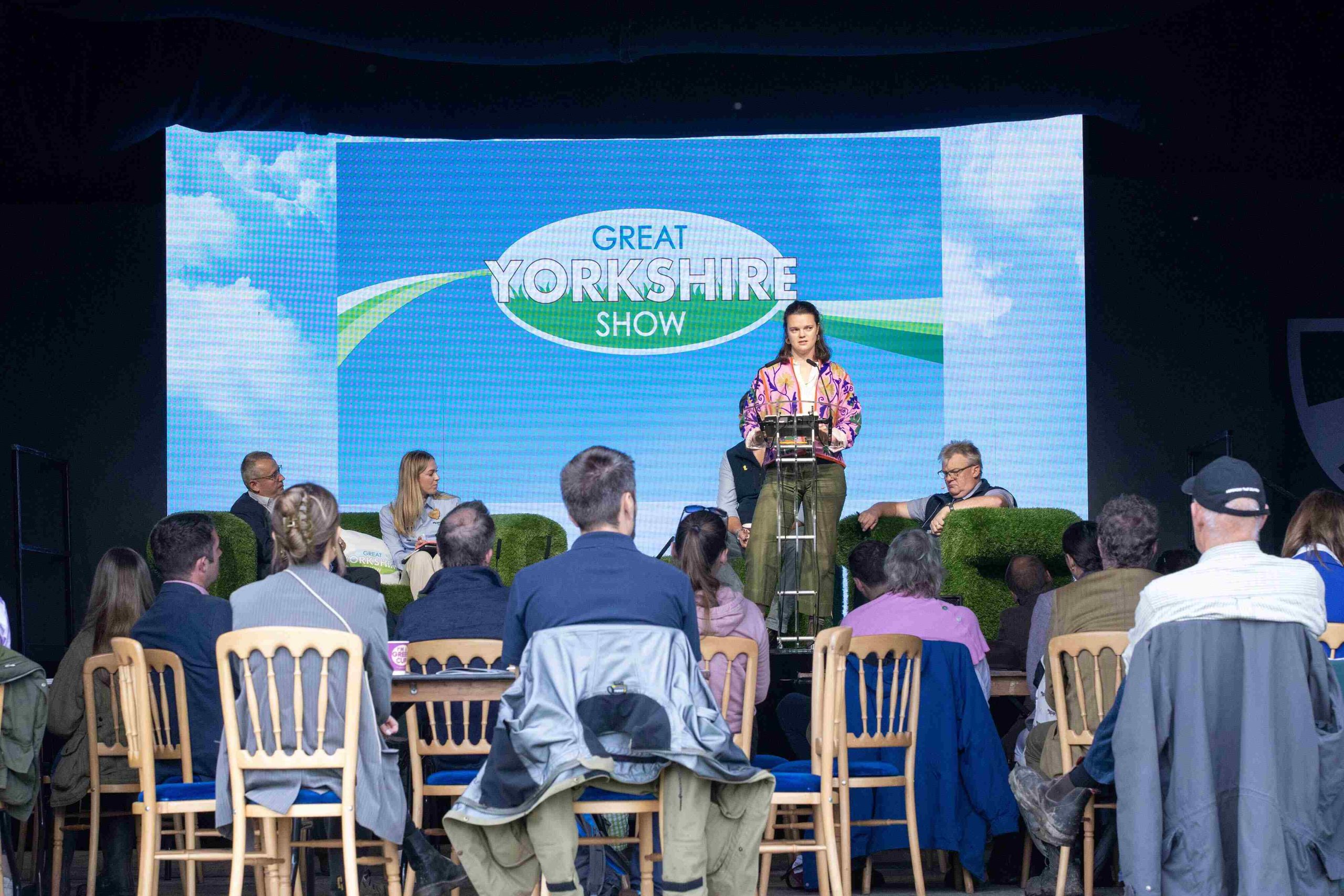
Molly said:
So what are those solutions?
I mean regen ag, I mean sustainable food production, I mean creating highly nutritious and sustainable calories, increasing access to nature for people, and increasing those welfare benefits that people feel when they’re able to use natural space for sports and recreation.
The carbon sequestration potential of our rural land is huge. We know that in some ways we emit a lot of carbon, but we also have the potential to reverse that.
Jodie Bolland, UK Agricultural Sourcing Director at Woodhead Brothers, gave insight into how food manufacturers and retailers were helping farmers to change the narrative.
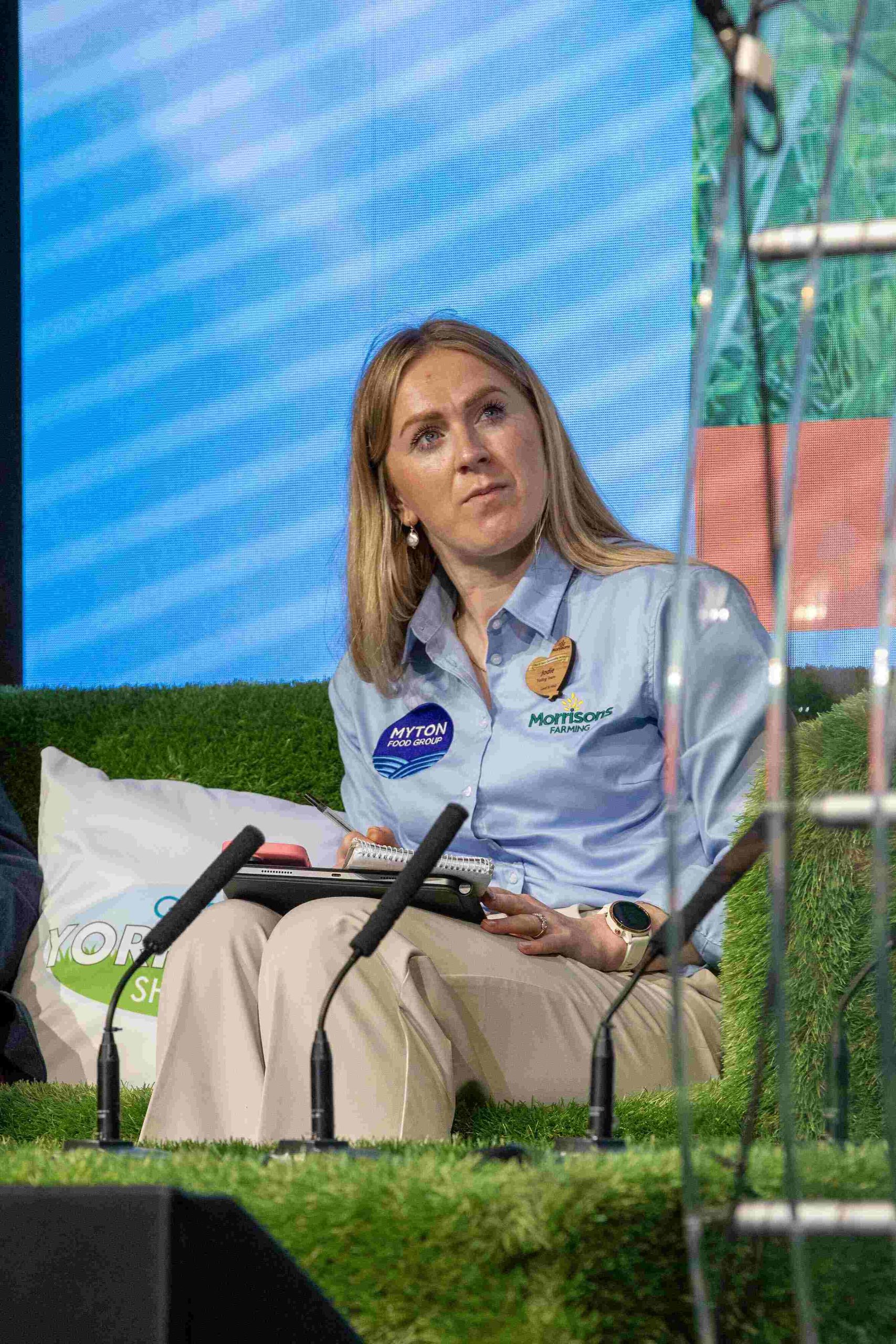
Jodie said:
We have a scheme called Elite Beef. That is a really important part of us meeting our sustainability goals.
It’s a great supply chain for us to be able to test different metrics on projects and farm to understand how can help our wider population of farmers.
It’s a really great success story. We can go and influence our customers with that supply chain.
Fourth speaker, Professor John Gilliland OBE, is a livestock and willow farmer based in Northern Ireland.
John chairs a group of seven farms in Northern Ireland, including his own, which all wanted to go on a journey towards net zero.
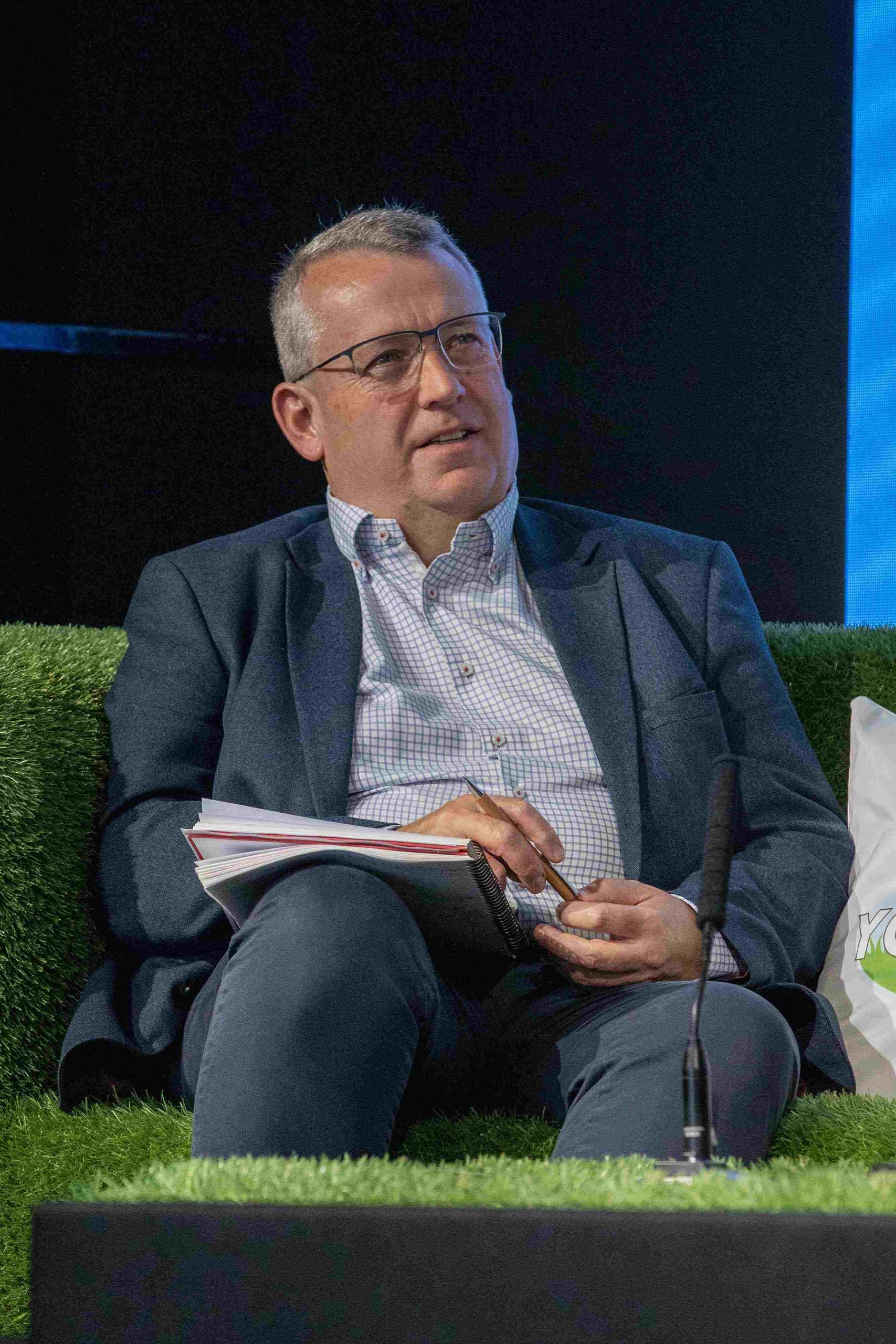
John said:
We wanted to get a handle on knowing our numbers.
What are our ambitions and where do they come from?
What carbon stocks do we have and how can we build more?
But how can we deliver solutions that don’t just deliver on a single measure of carbon, but will deliver water quality, will deliver biodiversity, will deliver nutritionally dense and diverse food?
John said as a result of the process he found that in the trees and fields on his farm were 24,400 tons of carbon, of which 80 per cent was in the soil.
When we looked at the seven farms, we had over half a million tons of carbon on those farms and nobody recognises it or talks about it. Ironically, on those seven farms as a whole, 97 per cent of that carbon was in the soil, not in the trees.
Andrew Robinson, Accounting Partner and Head of Agriculture and Farming at Armstrong Watson who chaired the meeting, said:
I believe that British farmers have much to be positive about.
There’s never been in my opinion as much interest from the public in British farming, where their food comes from, and the interaction of farming with the environment and nature.
We all remember during Covid, farming and the health sector were the two most respected industries in the UK and we need to capitalise on that and make it work for the agricultural industry.
But we must remember we don’t just produce tasty food, we need to look at the bigger picture and work it in with nature and the environment.
Kind thanks to our Breakfast Meeting sponsors