In this update, Sam Dilcock, a member of the Future Farmers of Yorkshire Management Board, sums up key points from our Spring Technical Meeting where he chaired a panel discussion about the future of farming with a reduced chemical toolkit.
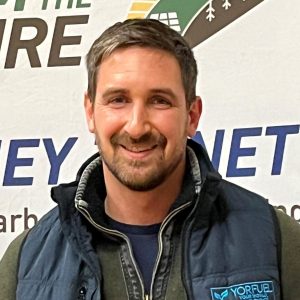
Amazone Ltd kindly hosted the very first Future Farmers of Yorkshire Spring Technical meeting at their Orchard Farm headquarters at Auckley, Doncaster at the end of April and it was a fascinating evening.
Attendees were given a tour of the site before the panellists took to the stage to discuss their perspectives on what the future of farming could look like with reduced chemistry in our region.
Over the last 30 years, globally, the total weight of active ingredients used in agriculture has increased by 90 per cent, whereas the UK saw a near 60 per cent decrease of actives used in that same period.
There are now 14 per cent fewer active substances available in Britain than there were in 2016.
This could decrease further in the coming years due to SPS (Sanitary and Phytosanitary) rules being set out by the government to align with EU policies, and this poses challenges for farmers.
That said, necessity is the mother of innovation.
The adoption of new techniques and innovations in technology should mean farmers make different choices about using plant protection products.
Views from the panel
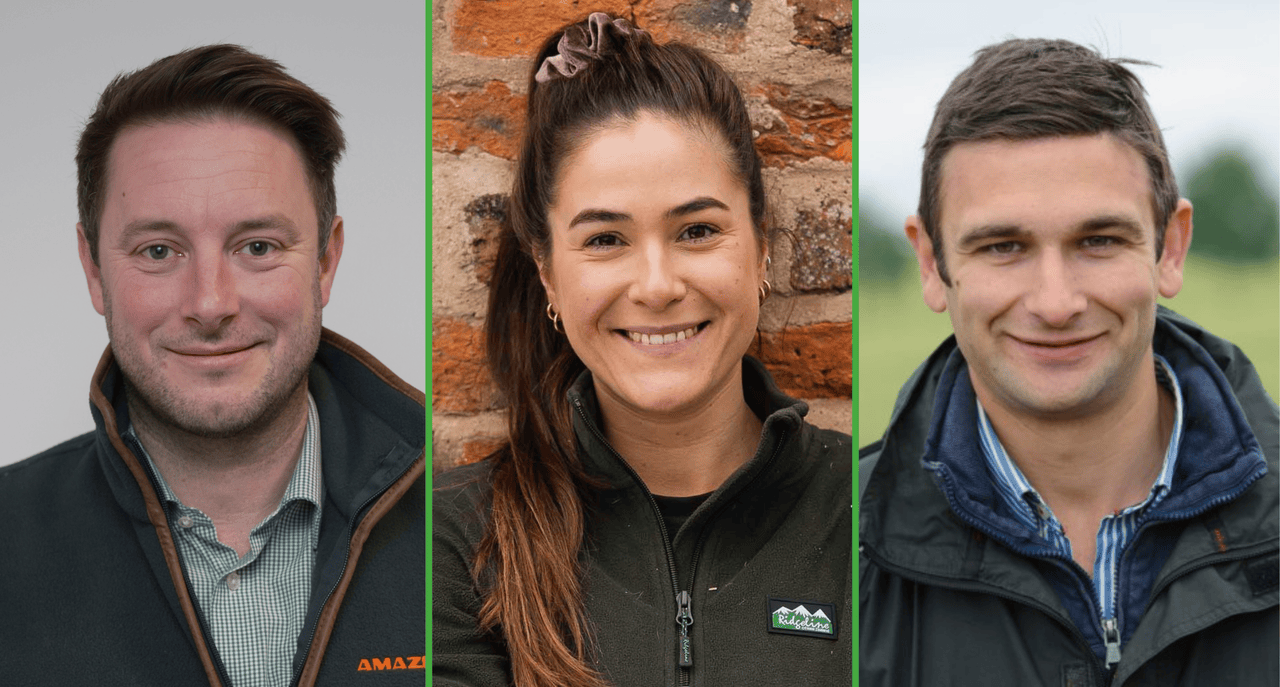
At the Spring Technical Meeting, David Stead, Regional Director for Hutchinsons agronomy in the North of England, said that the decrease in active ingredient use has probably plateaued, and the focus will change to using plant protection products in more focused and precise ways, to deliver beneficial outcomes for on-farm productivity, and ultimately return on investment for farmers.
David claimed:
We’re looking at an evolution in chemical use, not a revolution.
Some £6.8bn is spent globally on ag-chem research and development, and the advent of artificial intelligence will make the ability to find, screen and risk assess new actives faster and more streamlined.
Of course, soil health underpins any efforts to utilise chemistry: systems that take from the soil without giving back are more fragile and less resilient than those that manage soils more sustainably.
Rebecca Wilson, a mixed farmer whose family farm is a Hutchinsons North Helix demonstration site, gave the example of wormer resistance in sheep to highlight the impact of over-reliance on particular chemistry.
We’re our own worst enemy sometimes. In 2023, a study found that 98 per cent of UK farms showed resistance to three different groups of wormers.
This is leading to productivity losses, potential welfare issues and costs the sheep industry over £3m a year in worm resistance alone.
Amazone Territory Sales Manager Richard Amphlet said a hybrid approach to the future of faming will yield the best results.
As the climate changes, farmers will need to be flexible.
We’re not going to see crop sprayers disappear off farms and be replaced entirely by hoes. Long-term system adoption comes from asking yourself why you are going to do something and understanding your soils capabilities.
Key takeaway messages
A clear message from the event was that it takes industry-wide collaboration to drive innovations forward for a more sustainable farming future.
Education is key, be it farmer-to-farmer knowledge exchange or plant protection product and machinery manufacturers working together to deliver tools that famers need to be resilient, productive and profitable.
It is also important to explain to consumers why we need to do what we do to keep food prices reasonable and feed a global population of over 8bn people simultaneously, whilst minimising environmental impacts and protecting biodiversity.
It’s a tall order, but one I believe our future farmers are well-equipped to deliver.

Don’t miss our latest opportunities
Development Token Scheme deadline
Our Development Token Scheme offers up to £200 towards the cost of attending an industry event or training, and the latest round of the scheme closes for applications on Monday (4 May).
Groundswell bursary places
Our bursary places at Groundswell festival 2026 are proving popular and there is still time to apply for a place. Applications are open until Monday (4 May). Successful applicants have the cost of their ticket covered and receive £200 towards accommodation costs. To be considered for a bursary place, email us at futurefarmers@yas.co.uk explaining why you wish to attend, what you hope to learn and how you hope it will impact your personal and professional development.
Our 2026 Mentorship Scheme is now open
Applications are welcome from across the North of England to join the scheme as either a mentee or a mentor. Applications are open until 29 May 2026.