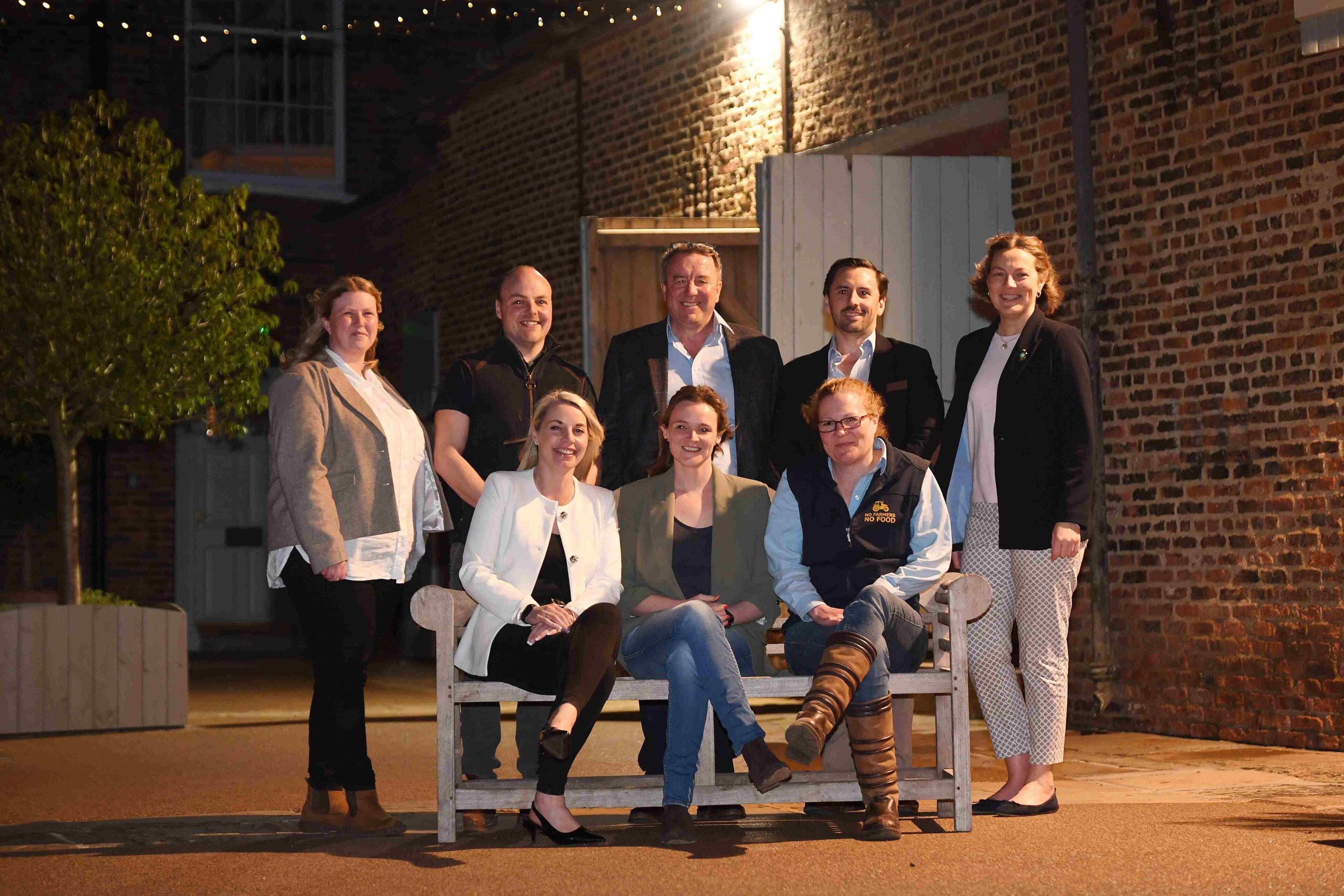
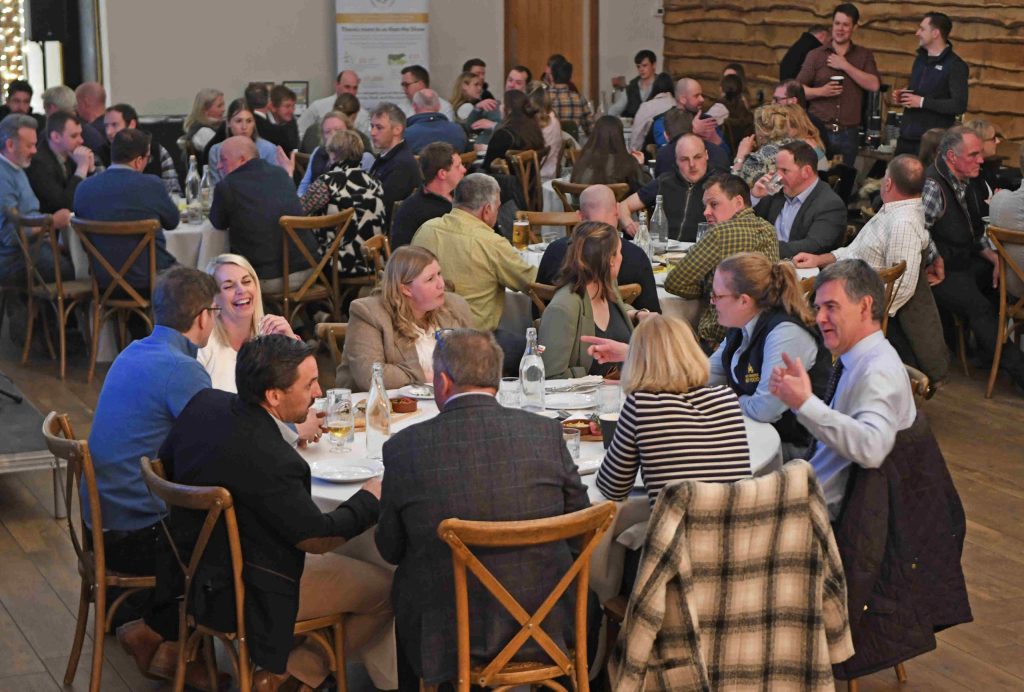
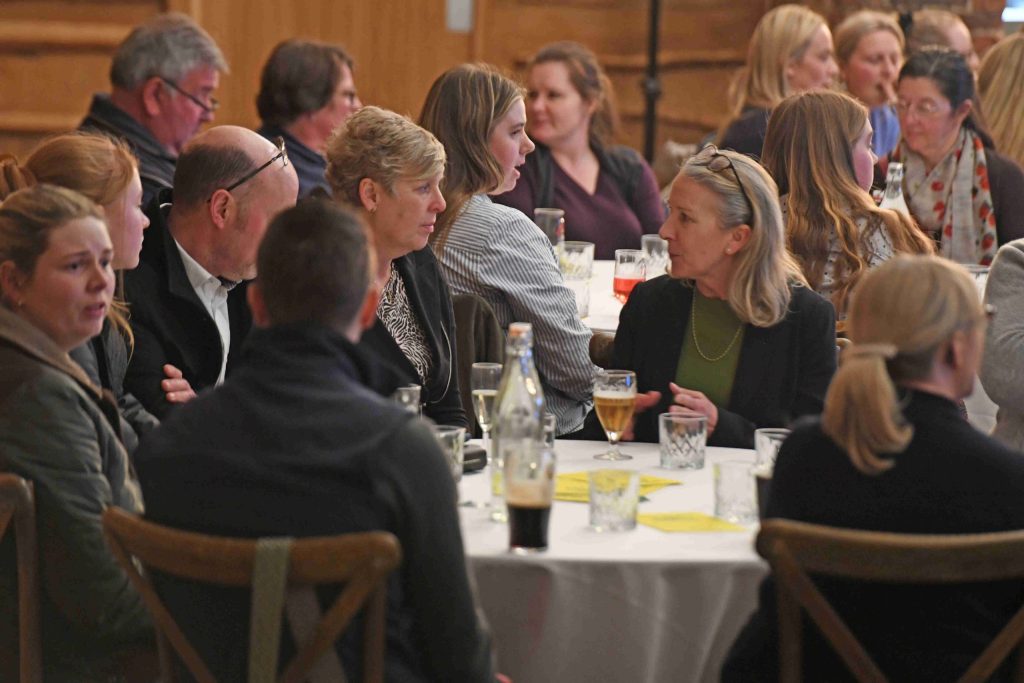
Future Farmers heard stories of resilience and perseverance as different routes to agricultural success were examined at the Future Farmers of Yorkshire’s Spring Debate 2025.
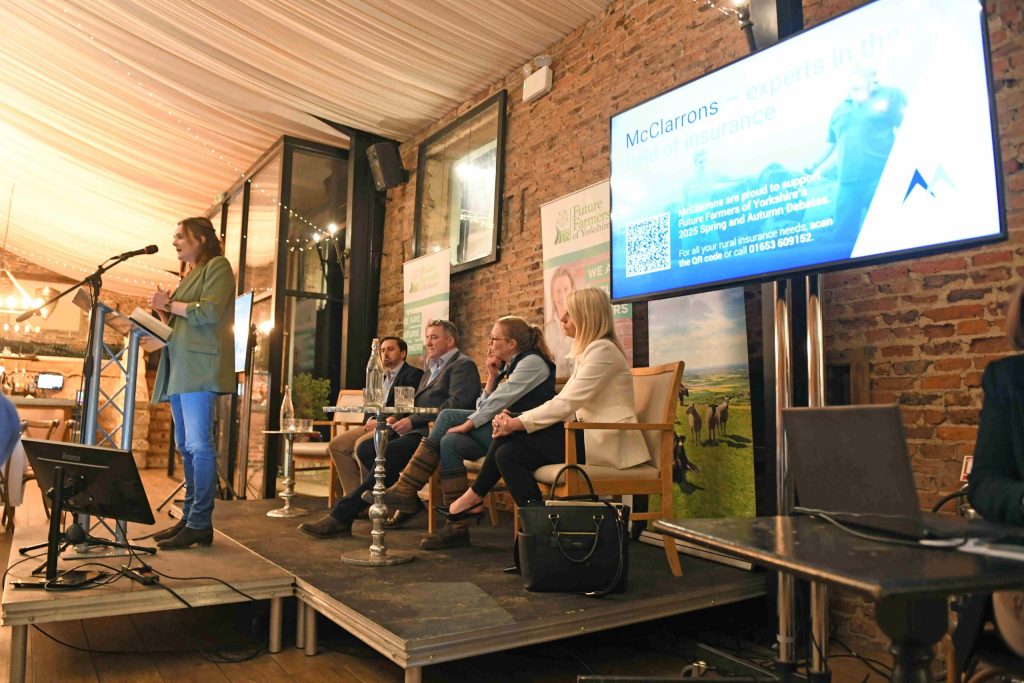
Entitled ‘Mission POSSIBLE: Adapting your vision for success’, the event was held at Hornington Manor near York on the evening of Thursday 20th March, kindly sponsored by McClarrons rural insurance brokers.
It brought farmers and other industry professionals together from across Yorkshire to set a positive course through the obstacles and barriers that farmers face to realise their ambitions for their businesses.
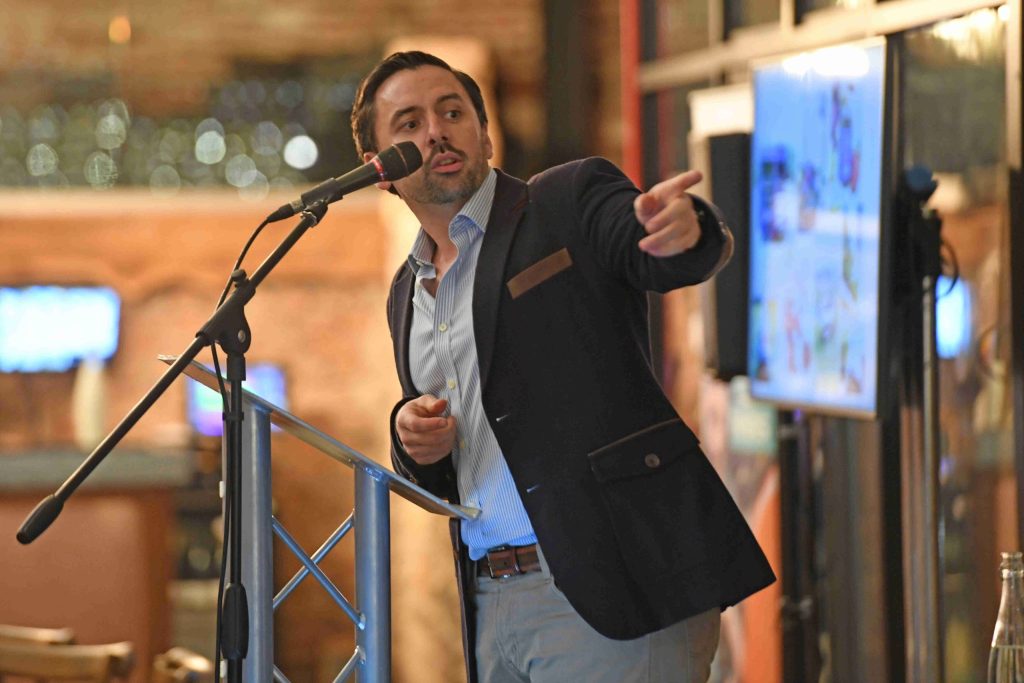
Chris Jones, director of the premium produce brand Annabel’s Deliciously British near Micklefield, Leeds, told of how the business had reached an “almost boring” point of agreeing a price with a retailer, then being told what the price was going to be by the retailer, and then growing what was required.
It was this that prompted the creation of the Annabel’s Deliciously British brand which has seen them go on to supply specialist retailers internationally, including in Dubai, Singapore and Hong Kong.
This burgeoning brand equity had then given the business a “story to sell” that has seen them go on to work with the likes of M&S, Aldi and Sainsbury’s.
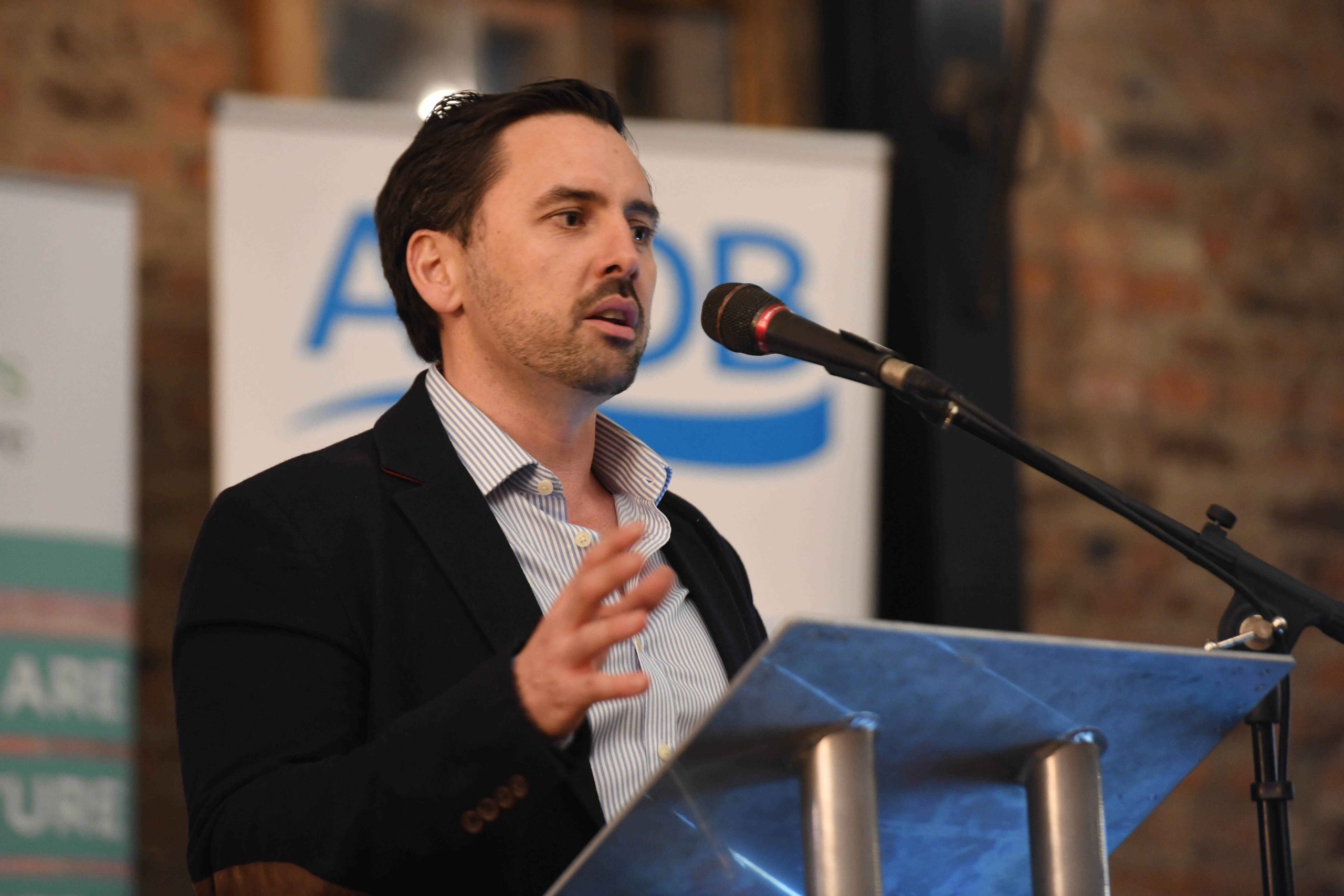
Chris said:
The brand has given us an amazing ability to go and sell but also a platform to grow an ‘own label’ business with other retailers.
He explained that they will produce just over 2,000 tonnes of strawberries this year, weather permitting, and that to drive efficiencies and reduce costs, the business is investing in robotic technology to maintain its competitive edge.
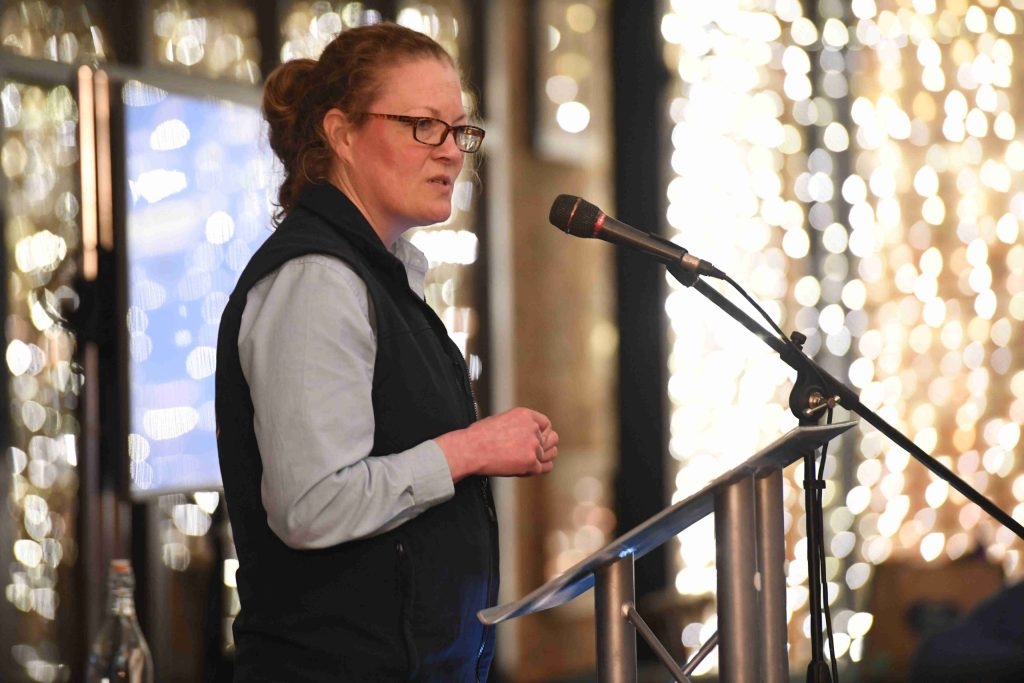
Anna Longthorp, a pig farmer near Howden, East Yorkshire and a longstanding member of Future Farmers, told of her business journey and the challenges she has worked hard to overcome along the way.
Anna sells direct to butchers, wholesalers and hog roast companies via Anna’s Happy Trotters, and via Anna’s Happy Kitchen, a café and butchery counter on the farm. She created Anna’s Happy Trotters 16 years ago to add value to the family farm business.
The venture is now a separate concern, buying pigs from the farm and then rearing them fully free range, processing the pork in the businesses’ own butchery and selling direct.
This was a major switch, having become disillusioned with supplying major retailers and keen to “take back a bit more control”.
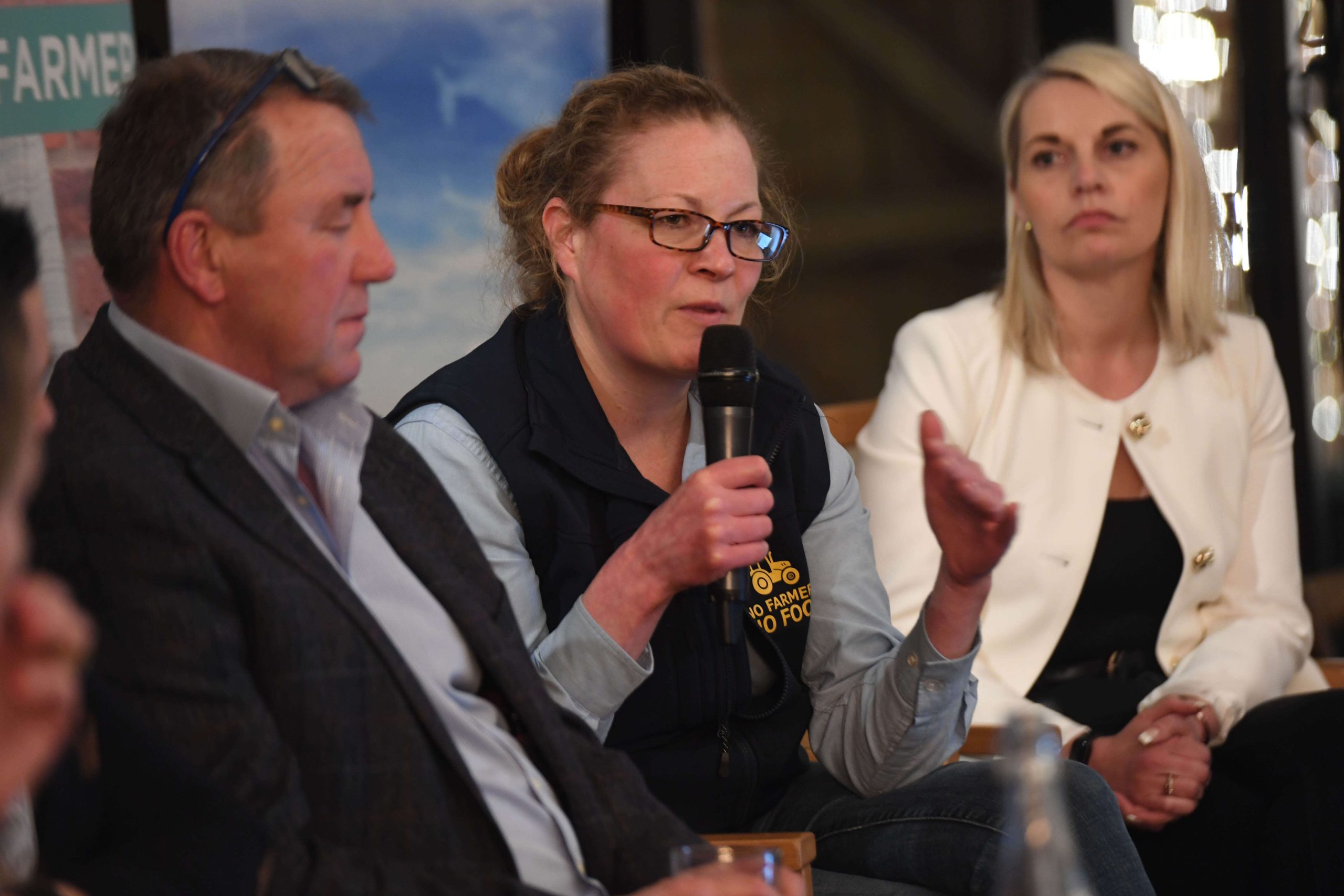
Anna said there were challenges to ‘success’ whichever supply chain model you pursue:
The benefit of mainstream supply chains is that you are left to focus fully on performance on the farm, but you have no control over the price you are receiving.
(As a direct seller with two different business arms) it’s good to have fingers in different pies and to spread the risk. At the same time, it presents more challenges in different areas.
Ian Carlisle, a third-generation dairy farmer of TL Carlisle near Leyburn, North Yorkshire and Arla Cooperative member, told of how his business has grown by reducing production costs and seizing opportunities to expand as the industry has changed.
Giving an example of how the business had overcome challenges, he said:
When milk quotas came in, everyone started selling cows and going out of business. We started to understand the buying and selling of quotas, cows went down in price so we bought them… it was a profitable time and we expanded.
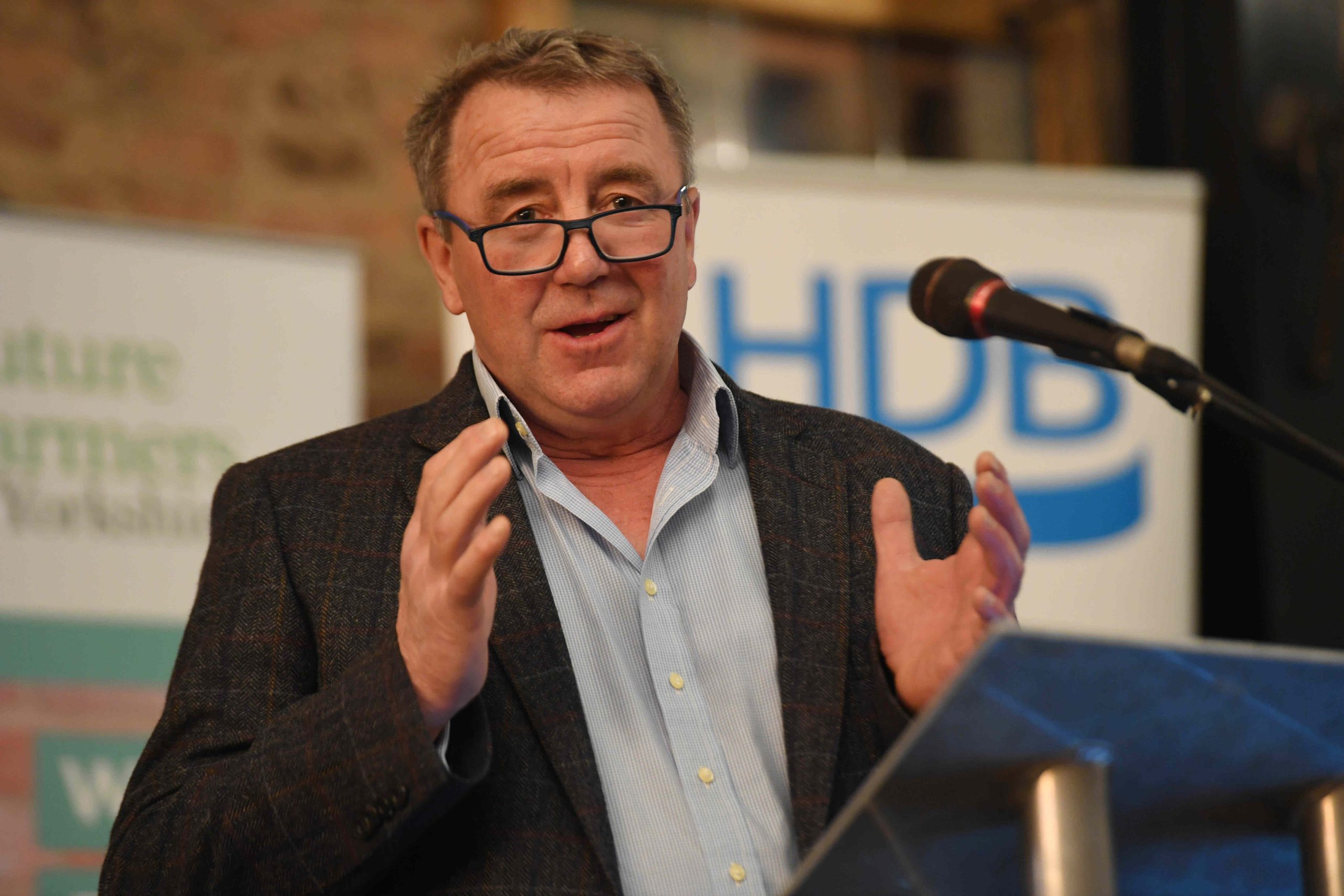
When one of Ian’s three sons, Phil, joined the business he brought new ideas. Ian said he remained open-minded, as his father had when he took on the farm, and has embraced a new business model which has improved efficiencies.
They now operate two block calving dairy farming units, with an autumn calving herd and a spring calving herd. Both systems are based around growing high quality forage for cows to graze.
Ian said:
If you can keep your costs of production down, you have half a chance. If you budget well and look after your costs you are in such a good place to go out into the market and do it.
As someone who does not work in the industry but specialises in people, Kat Thorne took a step back and offered a helpful perspective on the importance of making little adjustments to daily habits to ensure you can be the best you can be, whatever your role in business entails.
Kat, is a positive habits international keynote speaker, teacher and consultant whose life story of workaholism, breakdown and burnout struck a chord.
She challenged everyone in the room to commit to making just one small habit for 21 days.
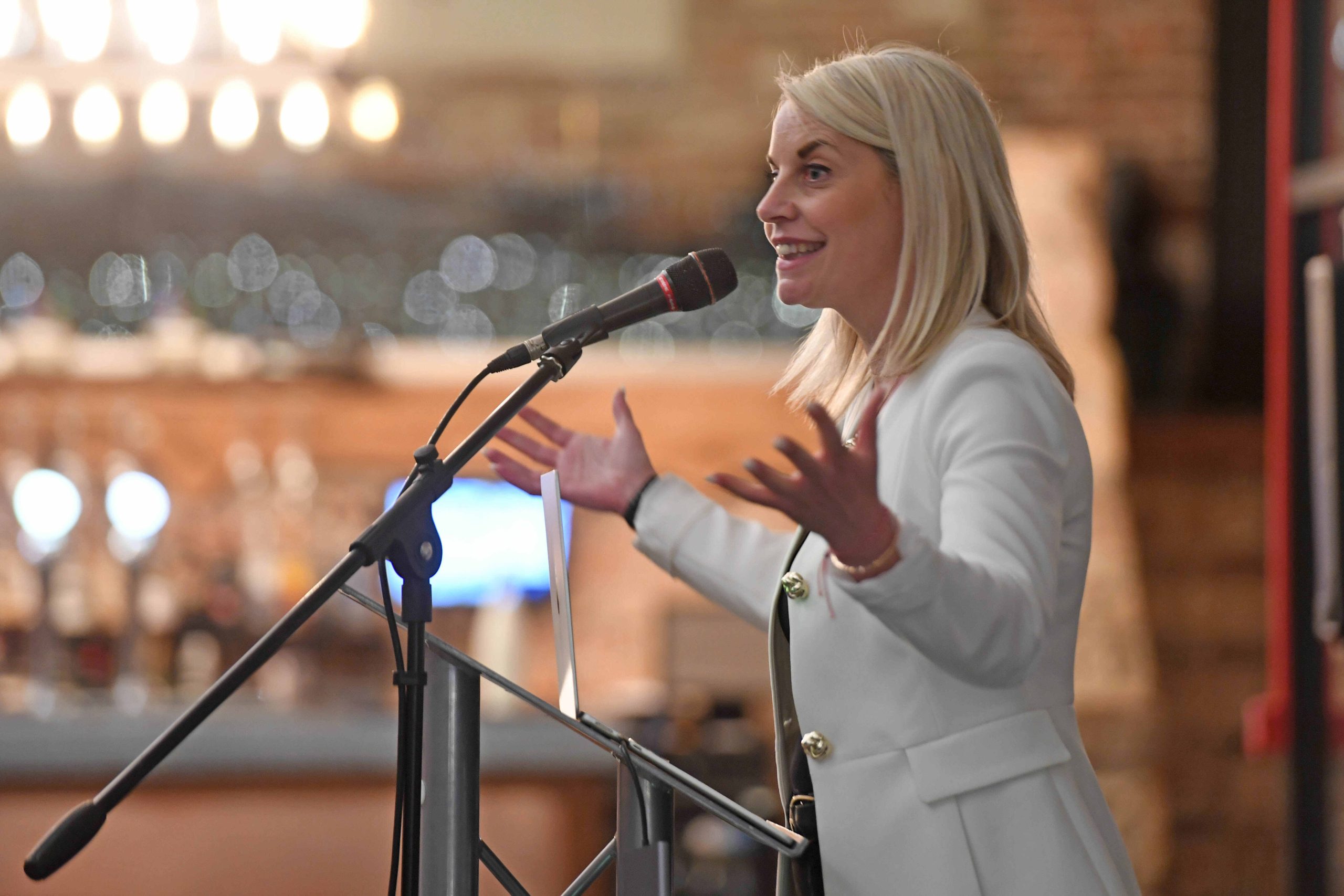
Kat said:
We are in the middle of another pandemic: the world is a little bit negative at the moment and the biggest challenge facing us as human beings is that we are not mentally and physically ready for it, but changing one small habit really does change your day.
Giving examples of helpful habit changes, Kat suggested having a “home for your phone” when at home to cut down on unnecessary screen time and scrolling, dedicating just 10 minutes to reading and another 10 minutes to movements, having a healthy breakfast and sticking to a set bedtime.
A ten minute digital detox before bedtime can increase sleep quality by 30 per cent, she said.
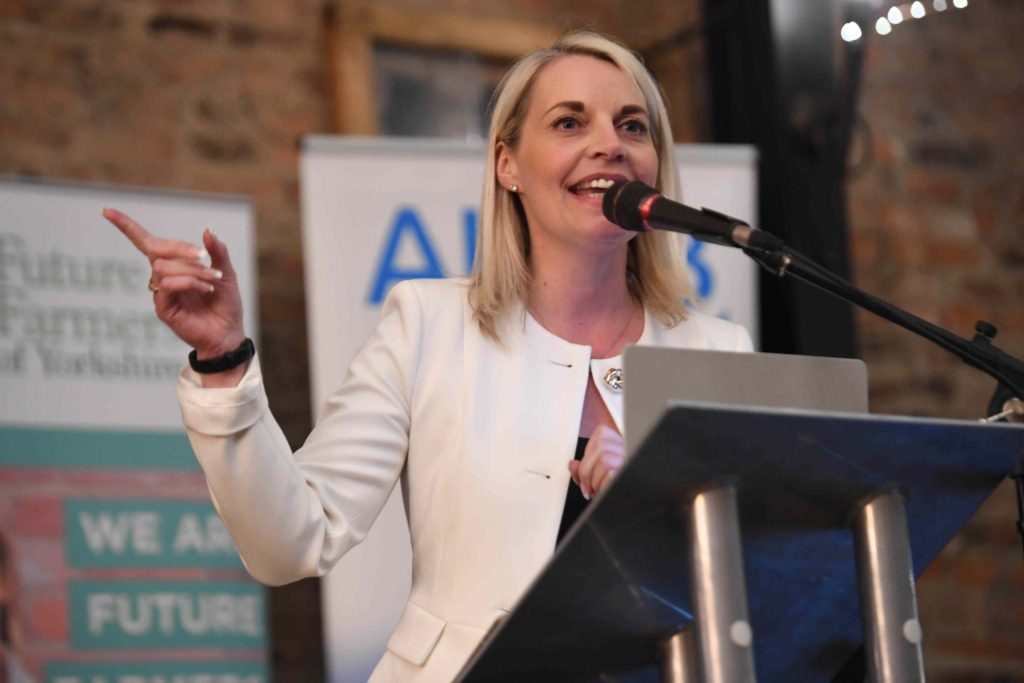
Drawing the evening to a close, Spring Debate Chair Amy Hughes, Head of Engagement (Beef & Lamb) at AHDB said:
It’s easy to feel that you are not in control in this industry and in your life but there is no point focusing on what you can’t control, it’s a waste of time and energy.
Set your own vision and you don’t need to do it in one go, small changes can get you where you want to be.
And don’t think that you can’t do it. Have the courage to build a life that you love.

Membership of Future Farmers is FREE and everyone in the industry is welcome
We are looking for a new Chair – could it be you?