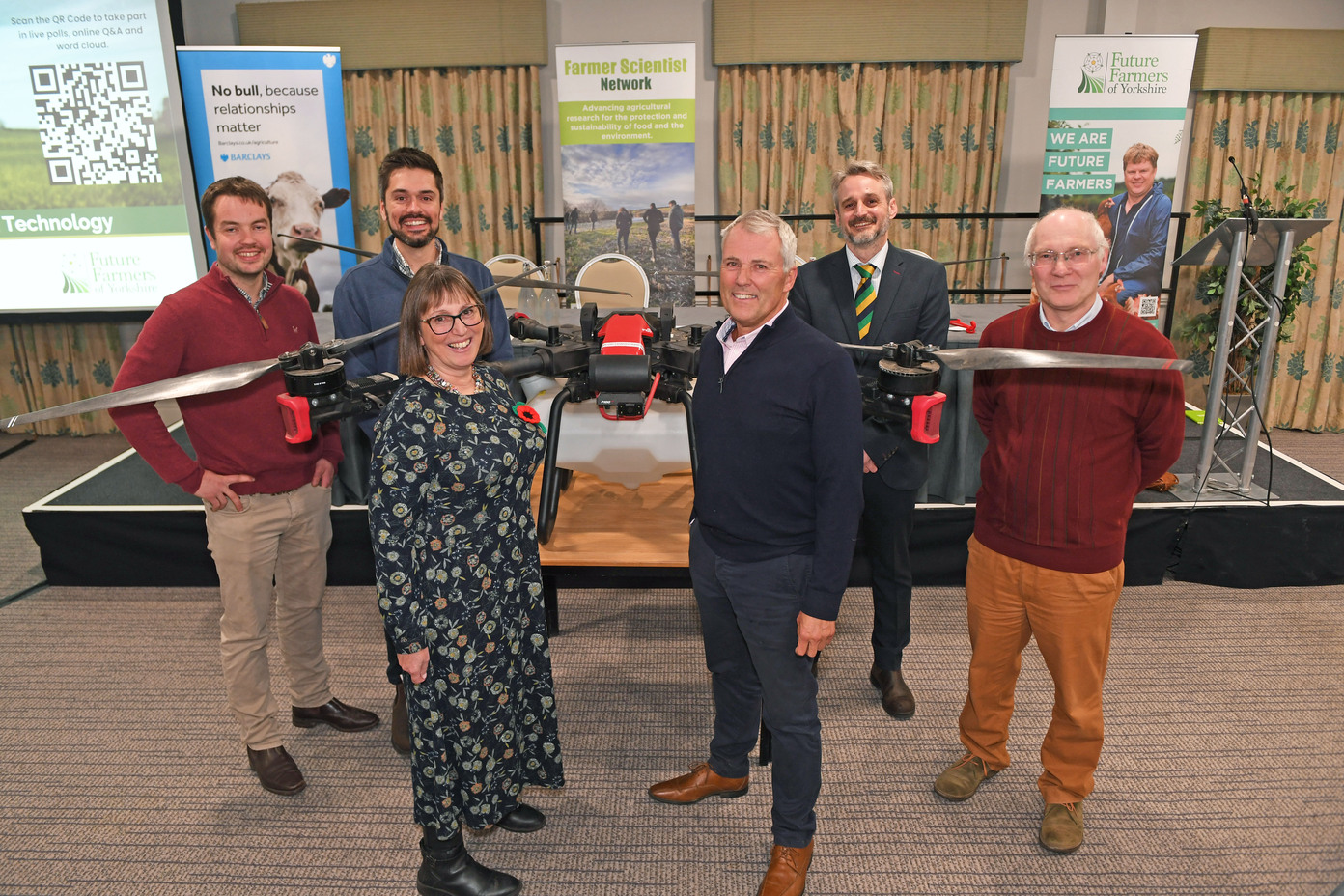
The careful trade-off between embracing both tradition and technology to forge ahead in agriculture came under the spotlight at the Future Farmers of Yorkshire X Farmer Scientist Network Autumn Debate 2025.
After welcome addresses from Future Farmers Chair, Joe Seels and Farmer Scientist Network Chair, Dr Dave George, farmers Stuart Mitchell, Andrew Manfield and Andrew Ward MBE, and experiencd agri-food consultant Dr Louise Manning all addressed the topic of ‘Tradition and Technology: The Future of Farming in Yorkshire’
The debate, held at the Great Yorkshire Showground on Wednesday 29 October, was kindly sponsored by McClarrons insurance brokers and supported by Barclays.
Key messages
Andrew Manfield, an arable farmer based on the edge of the Wolds and founder of precision technology specialists Manterra Limited made the case for investing in technology, explaining how innovations that are changing farm operations can save on labour and costs through precise, remote operation.
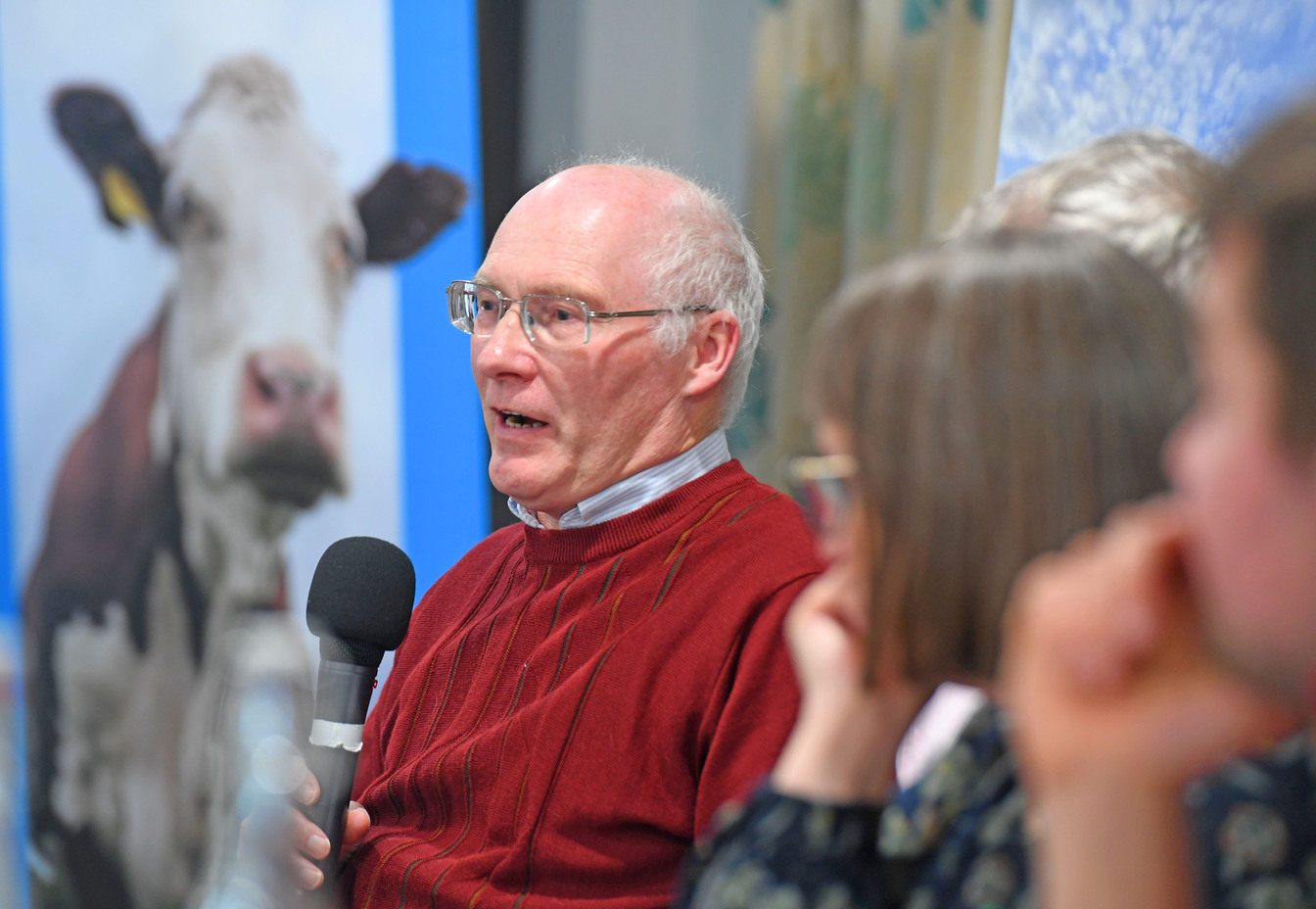
Picking out just a few examples, he talked about robots that cut broccoli using arms positioned by cameras that judge the quality and the size of every plant in milliseconds, and how industry is “right on the edge of approval” by pesticides authorities for spreading slug pellets by drone.
Recognising today’s farming challenges, Andrew said innovation – and technological advancement – was a proven outcome of difficult times in the industry, recalling his grandfather going from a tenant farmer in the 1920s to owning two farms in the 1950s by keeping faith in the necessity for food production amid industry upheaval and the advert of new technology.
Andrew said:
In relation to technology, stay open-minded, stay curious. Keep coming to events like this, find out what’s going on in the world because it’s very easy in tough times to retreat back into the sort of world that you know. There’s a lot still happening, a lot of it is positive.”
Stuart Mitchell who farms with his family at the 442ha Whitriggs Farm near Hawick in the Scottish Borders told of how their farm had transitioned from a sheep enterprise, due to a disease outbreak, to organic cereals, beef and venison five years ago and now relied on very few inputs.
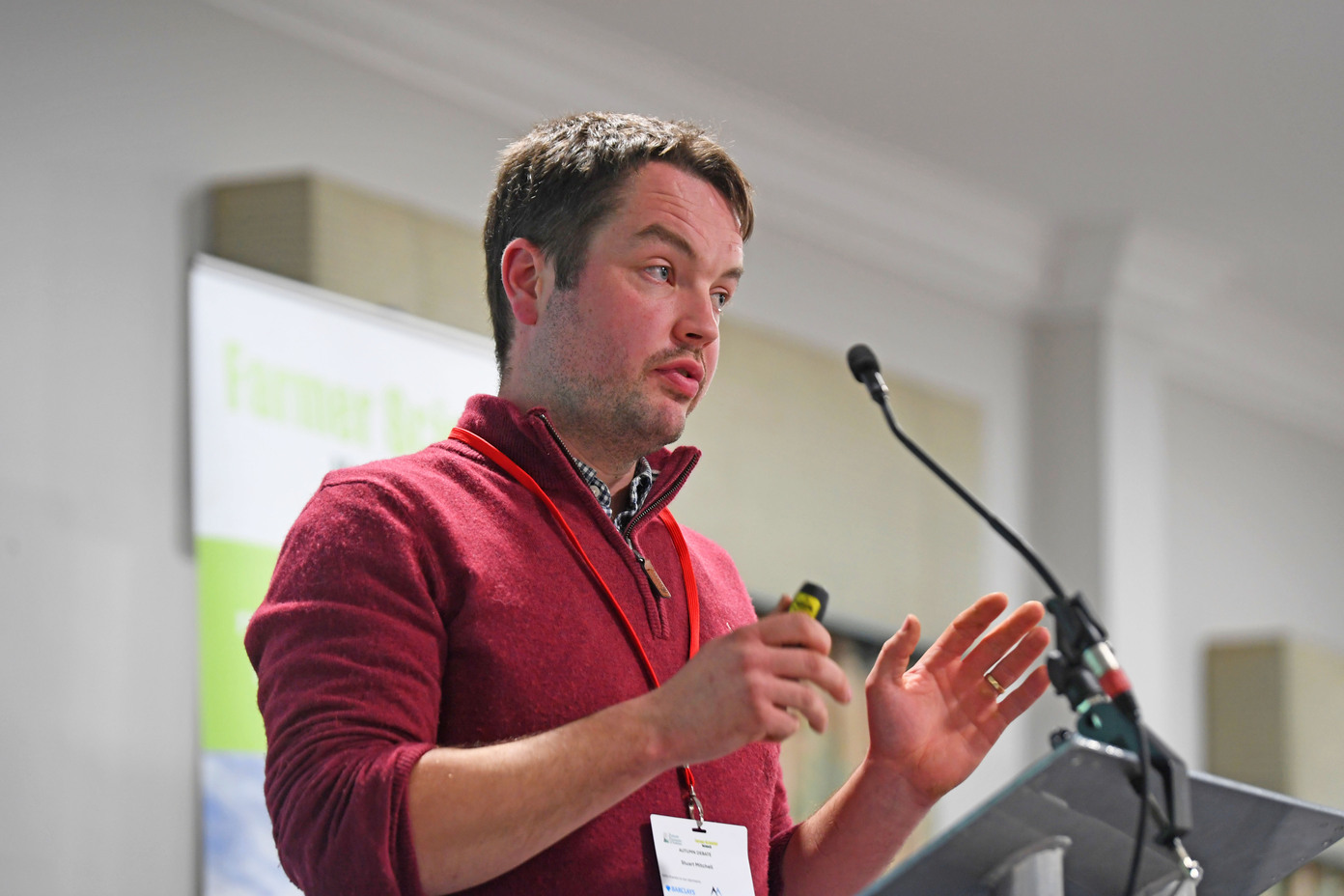
Stuart told of how he is wary of rushing to adopt technology.
He said:
I’m of the view that if there’s a problem that you try to solve with technology, keep going back to the core of that problem and try to make how you are farming a little bit more efficient.
Find out what technology is best for you but nature sort of rules things, so don’t use technology to try and fight nature or it just costs you more.
Keep going back to the core of what you need it (technology) for and then use it for that, don’t use it to try and cover up your problems. Getting your farm resilient at its core is the key.
Dr Louise Manning (PhD in Global Food Production), whose family farm in Herefordshire, urged farming families not to let their own farming traditions hold back the profitability of their businesses.
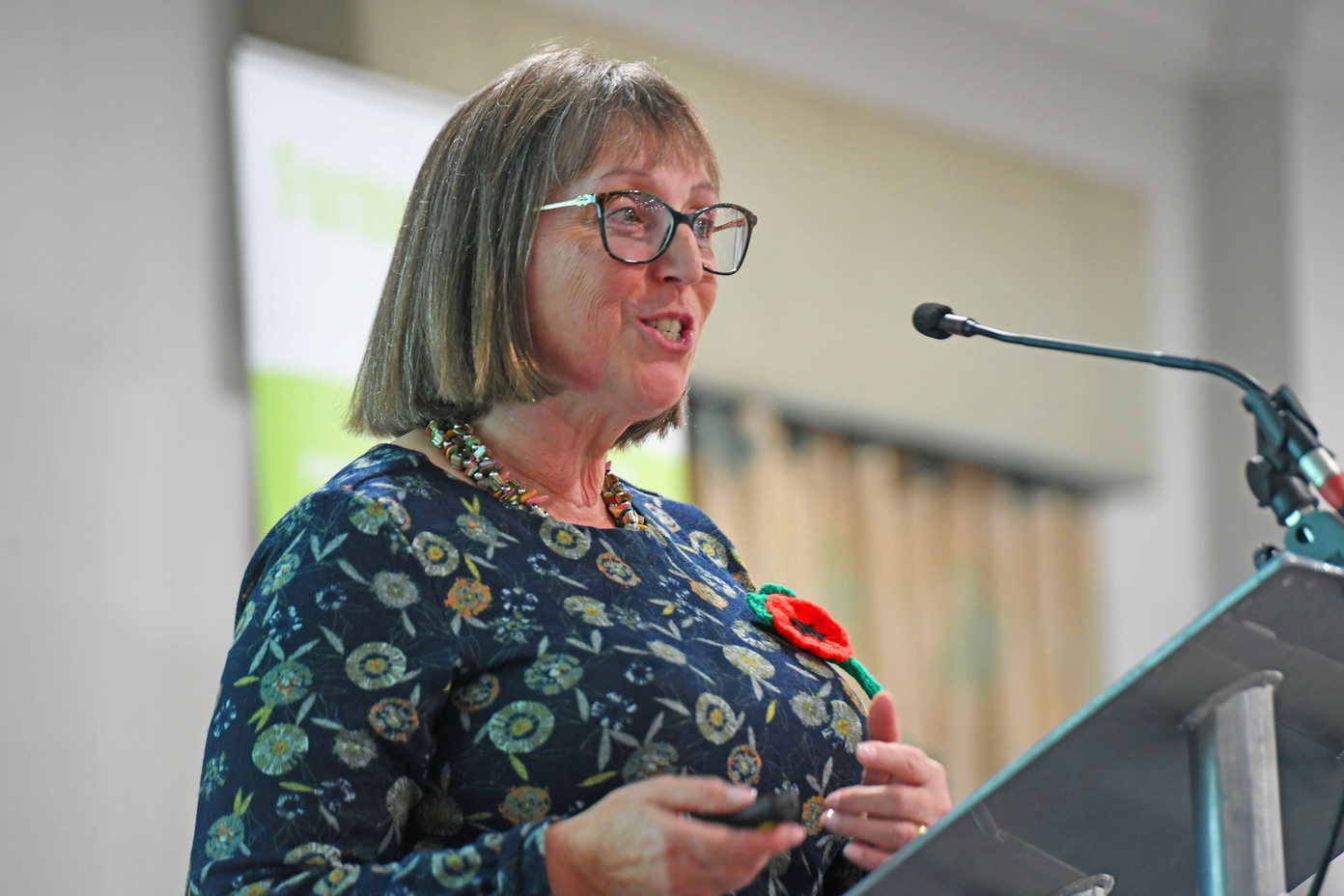
She cited her husband’s decision to abandon hop growing; his father’s life’s work, to go into broiler chicken production and how their farm is now structured totally differently to how it was when she first met her husband 35 years ago.
Louise, who has worked for more than 40 years undertaking consultancy work and research to inform strategy, policy, business productivity and personal development in the agri-food sector, said:
We have had to put emotions to one side, when some of the things that we have always done, that we’ve always loved, have come to an end.
There’s an element of that within a number of farms, where we’re going to have look for new opportunities and we’re going to have let other ones go.
That is difficult but if we are running to stand still – then without having BPS, we’re running slowly backwards as businesses – we’re going to have to really look at that. When opportunities come along, we have to be brave.
There are so many things right now we can’t control, we can’t influence. You’ve got to really look at our own business, our own family situation and ask how can we get the best results we can?
The technology has to justify its place. If it doesn’t give you the information you want, the improvement in yields, the improvement in health your livestock, it’s not worth having.
Andrew Ward MBE explained how many of his farming decisions are guided by in-depth technology-assisted analysis of his farmland, even down to soil texture from field to field.
He told of how he had successfully managed black grass on his farm using technology to map and spray off patches of black grass to prevent seeding and reduce future infestations.
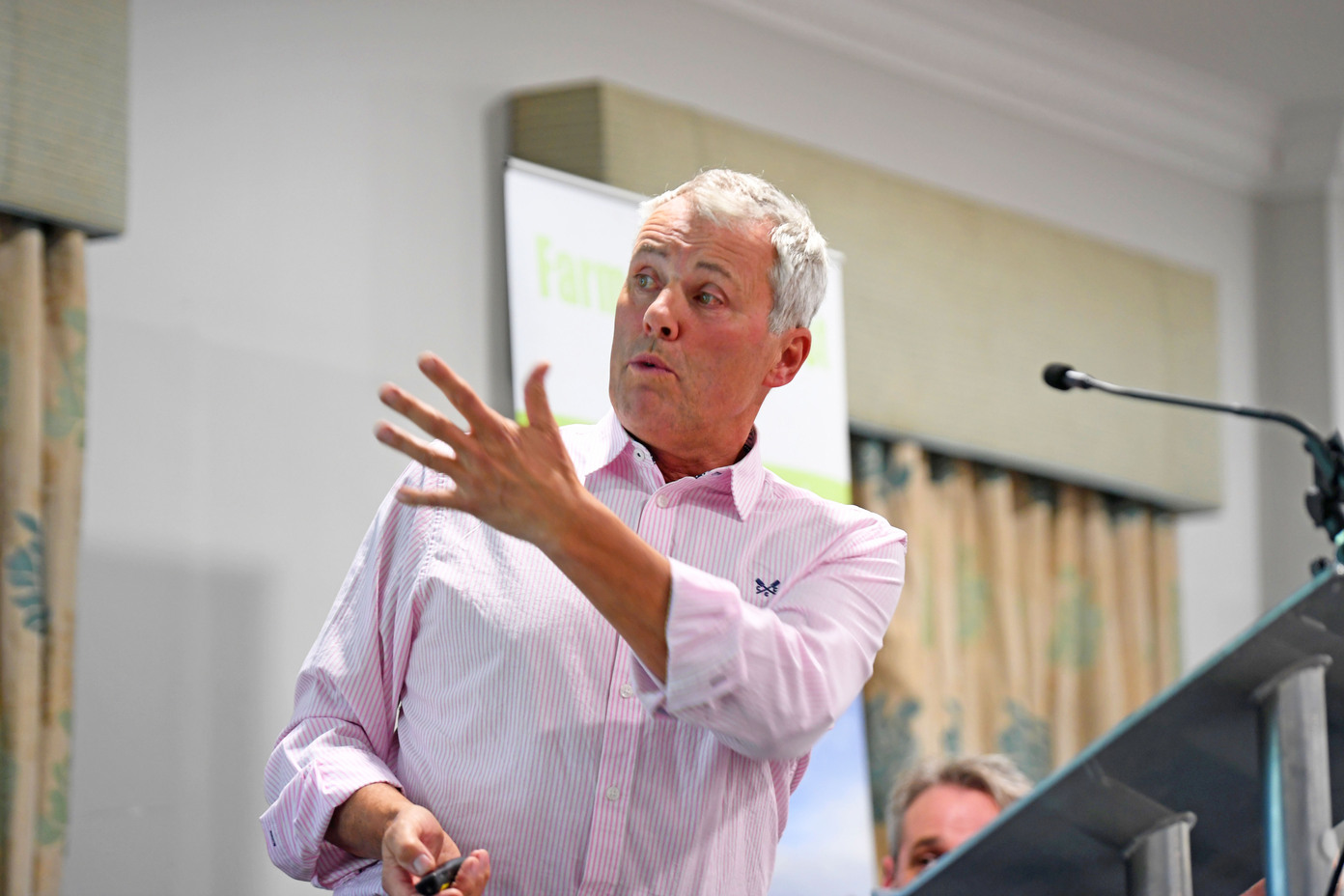
He strictly records fuel usage for all tractors on his farm to monitor efficiency and inform future technology investments, and he is using data from a seven-year direct drill and cover crop trial to refine his soil management practices and improve yields.
Andrew, who is a former Farmers Weekly Arable Farmer of the Year who posts twice-weekly YouTube videos promoting UK farming and food production, did say however that technology must go hand in hand with traditional farming knowledge.
Technology has a place, but it still cannot beat good old fashioned farming knowledge, your instincts, your knowledge of what works on your farm. We all know the good parts of the field, the good parts of the farm, and you can’t put that into technology sometimes.
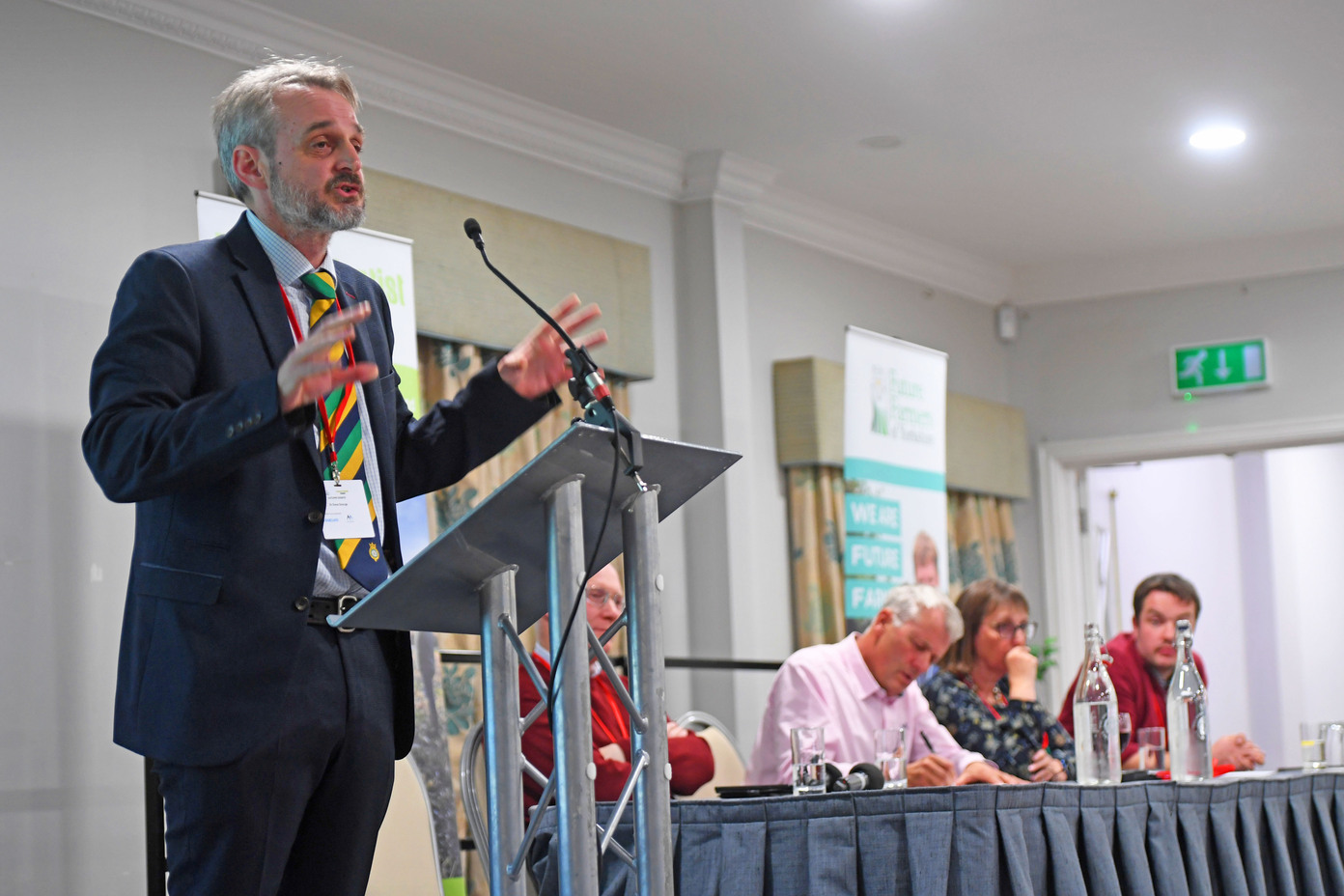
Closing the debate, Chair, Dr Dave George of the Farmer Scientist Network said:
I don’t think there is necessarily any kind of conflict between tradition and technology.
The important thing to have come through tonight’s discussion is know your farm, know your farm business and look to implement technology that works for you – and the technology that works for you might be very different for every farmer.
It might be very different for individual fields on a single farm.
What’s next?

Tickets are on sale now for the Yorkshire Farming Conference at the Great Yorkshire Showground on Wednesday 28 January 2026, priced £25+VAT per person.
Expect a day of inspiration, insight, and connection, as we celebrate and strengthen the future of farming across Yorkshire – at the first-ever Yorkshire Farming Conference, organised by the Yorkshire Agricultural Society in collaboration with our farming networks, expect in-depth discussion and insight across topical industry issues.
The conference brings together farmers, industry leaders and innovators to unpick key challenges and opportunities across agriculture, all while celebrating the people, families and businesses that make our industry so great.
Our theme, Every Field, Every Farmer, reflects the inclusive spirit of the conference. Whether you farm on a large scale or small, are new to the industry or have generations of experience, this event is for everyone who plays a part in Yorkshire’s farming communit
Autumn Debate 2025
With grateful thanks to: